
Anti-Aging
Tretinoin vs Adapalene (Differin): Which Should You Start With?
OTC adapalene 0.1% vs prescription tretinoin — which retinoid causes less irritation while delivering comparable results for acne and anti-aging.
Disclosure — This article may contain affiliate links. We earn a small commission at no extra cost to you when you purchase through our links. This supports our ability to create independent, evidence-based skincare content.
Most people think tretinoin is the gold standard retinoid — and they’re right. But that doesn’t mean it’s the right place to start. After six years of formulating retinoid products and watching countless people quit after two weeks of peeling, I’ve seen the same pattern: jumping straight to prescription-strength tretinoin often backfires.
Adapalene (sold OTC as Differin) offers a gentler on-ramp with comparable efficacy for acne. The irritation profile is markedly different, the results timeline is similar, and you can start tonight without a dermatologist visit. Here’s how to decide which makes sense for your skin.
The Fundamental Difference
Both tretinoin and adapalene are retinoids — they work by binding to retinoic acid receptors in your skin cells to increase cell turnover and regulate sebum production. But they’re chemically distinct molecules with different receptor selectivities.
Tretinoin is retinoic acid. It’s the active form that all retinoids eventually convert to in your skin. No metabolic conversion needed — it binds directly to all three retinoic acid receptor subtypes (RAR-α, RAR-β, RAR-γ).
Adapalene is a synthetic retinoid that selectively targets RAR-β and RAR-γ receptors while largely sparing RAR-α. This selectivity is why it causes less irritation — RAR-α activation is linked to the inflammatory response that leads to redness and peeling.
The practical translation: tretinoin hits harder and faster, but adapalene gets you most of the way there with significantly less drama.
Efficacy: The Data Is Closer Than You Think
For acne treatment, the efficacy gap between adapalene 0.1% and tretinoin 0.025% is smaller than most dermatologists admit.
A 12-week comparative study found adapalene 0.1% reduced inflammatory lesions by 54% compared to 57% for tretinoin 0.025%. Non-inflammatory lesions (blackheads and whiteheads) showed a 34% reduction with adapalene versus 40% with tretinoin. Statistically significant? Barely. Clinically meaningful for most people? Not really.
The anti-aging picture is murkier because most studies focus on acne. Tretinoin has decades of data showing improvements in fine lines, photoaging, and collagen synthesis. Adapalene has less long-term research, but a 2022 study showed comparable improvements in skin texture and fine lines after 24 weeks of use.
Here’s what we do know: both increase cell turnover, both improve skin texture, and both help with hyperpigmentation. Tretinoin likely has a slight edge for deeper wrinkles and severe photoaging, but for prevention and early signs of aging, the difference is academic.
The Irritation Factor: Why Most People Quit Tretinoin
Tretinoin’s biggest weakness is also its selling point — it’s aggressive. The broad receptor activation that makes it effective also triggers significant irritation in most users.
Studies consistently show 80-90% of tretinoin users experience some degree of redness, peeling, or dryness in the first month. With adapalene, that number drops to 40-50%. The irritation isn’t just more common with tretinoin — it’s more severe.
I’ve watched people power through weeks of angry, flaking skin thinking they need to “get through the purge” to see results. But excessive irritation actually slows progress. Inflamed skin doesn’t turnover efficiently, and constant barrier damage makes everything worse.
Adapalene users report mild dryness and occasional flaking, but the angry red peeling that drives people off tretinoin is rare. You can typically introduce adapalene every other night from week one, while tretinoin often requires starting once or twice weekly.
Timeline: When to Expect Results
Both retinoids follow a similar timeline for visible improvements, despite the difference in irritation:
Weeks 2-4: Initial adjustment period. Some purging is normal with both, but tretinoin users often see more dramatic breakouts.
Weeks 6-8: Skin texture starts improving. Blackheads become easier to extract, pores look smaller.
Weeks 12-16: Significant improvement in acne lesions and overall skin clarity. Fine lines begin softening.
6+ months: Maximum benefits for both anti-aging and acne. Continued improvement in skin texture and tone.
The key difference is tolerability during those first crucial weeks. Adapalene users are more likely to stick with the routine consistently, which matters more than the theoretical potency difference.
Who Should Choose Adapalene
Adapalene makes sense as a first retinoid if you:
- Have sensitive skin or a history of product reactions
- Want to start retinoids without a prescription
- Are primarily treating mild to moderate acne
- Have a simple routine and want something that layers easily
- Are in your 20s or early 30s focusing on prevention
- Live in a dry climate or winter weather
The OTC availability is genuinely useful. You can start tonight, adjust the frequency based on your skin’s response, and avoid the dermatologist appointment shuffle. For many people, adapalene will be the only retinoid they ever need.
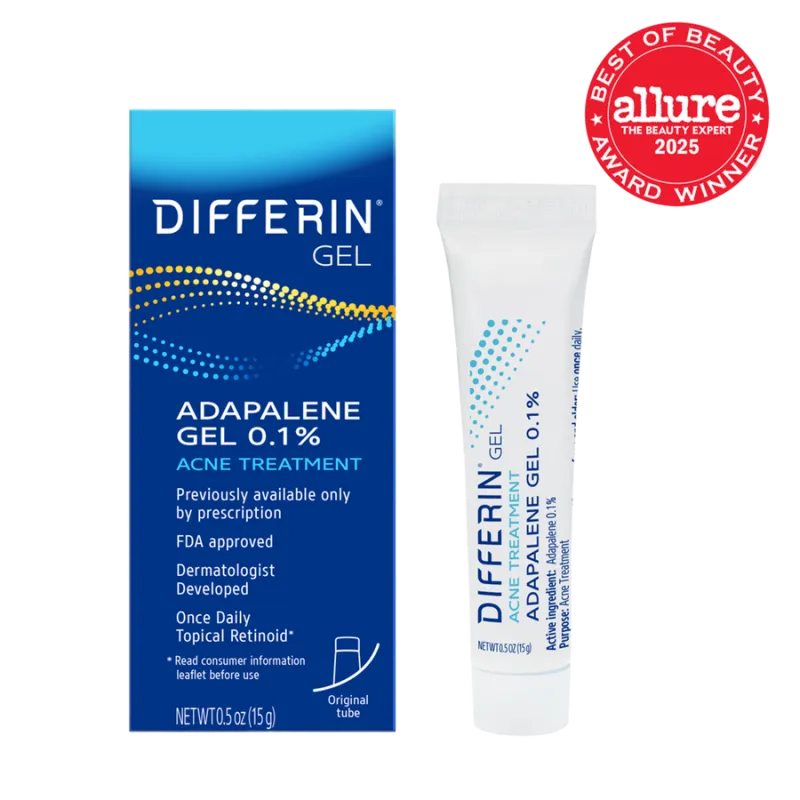
Adapalene Gel 0.1%
Differin
$13
★★★★☆
Who Should Go Straight to Tretinoin
Tretinoin remains the better choice for:
- Moderate to severe acne that hasn’t responded to other treatments
- Significant photoaging, deeper wrinkles, or age spots
- People who’ve used adapalene for 6+ months without sufficient results
- Those with naturally resilient skin who tolerate actives well
- Anyone prioritizing maximum efficacy over comfort
If you’re dealing with cystic acne or want the strongest possible anti-aging effects, tretinoin’s broader receptor activation does provide advantages. The question is whether you can tolerate it long enough to see benefits.
Tretinoin Cream 0.025%
Generic
$30-60
★★★★½
The Smart Stepping Strategy
For most people, starting with adapalene and potentially stepping up to tretinoin later makes more sense than diving into the deep end immediately.
Use adapalene 0.1% for 6-12 months. If you’re getting good results and want to push further, then consider tretinoin. If adapalene is handling your concerns adequately, there’s no compelling reason to switch.
This approach lets you build retinoid tolerance gradually while getting real benefits. Many people find adapalene meets their needs indefinitely. Others use it as training wheels before moving to tretinoin with much better tolerance.
Supporting Your Retinoid Choice
Regardless of which retinoid you choose, the supporting routine matters more than the specific molecule. Both require:
- A gentle cleanser that won’t compound irritation
- A solid moisturizer to support barrier function
- Religious sunscreen use (retinoids increase photosensitivity)
- Patience with the adjustment period
Consider incorporating barrier-supporting ingredients like ceramides or centella asiatica to minimize irritation. Some people find bakuchiol helpful as a complementary ingredient during the adjustment period.
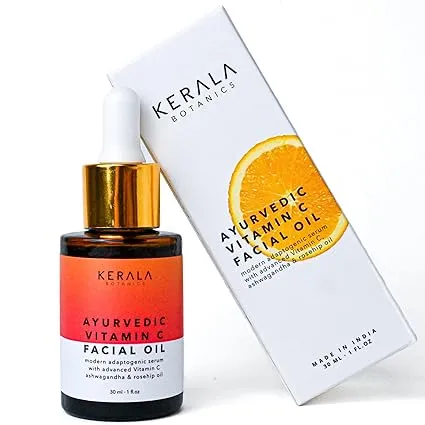
Ayurvedic Vitamin C Face Oil
Kerala Botanics
$49
★★★★☆
The Kerala Botanics oil combines bakuchiol with an advanced vitamin C form, making it useful for people who want retinol-like benefits while their skin adjusts to either tretinoin or adapalene. The oil format is particularly helpful during retinoid adjustment when your skin needs extra hydration.
Application Tips That Actually Matter
Start either retinoid on completely dry skin — damp skin increases absorption and irritation. Apply a thin layer (less than you think you need) and wait 20 minutes before moisturizer.
For adapalene: most people can use it every other night from the start, building to nightly use within a month.
For tretinoin: start once or twice weekly for the first month, then gradually increase frequency as tolerated.
Both work best applied consistently rather than sporadically at higher frequencies. Better to use adapalene five nights a week than tretinoin twice a week with three-day breaks due to irritation.
The Bottom Line
Adapalene is the smarter starting point for most people. It delivers 85% of tretinoin’s benefits with 50% of the irritation, and you can start using it tonight without jumping through prescription hoops.
The people who should skip straight to tretinoin are those with severe acne or significant photoaging who need maximum efficacy and have the patience to work through the adjustment period. Everyone else benefits from the gentler introduction that adapalene provides.
Remember: the best retinoid is the one you’ll actually use consistently. A year of steady adapalene beats three months of sporadic tretinoin use followed by giving up entirely.
If you’re ready to start retinoids, begin with adapalene and give it at least six months. You can always step up later, but you can’t undo the frustration of starting too aggressively and quitting before seeing results.