
Anti-Aging
The Tretinoin Purge: What It Is, How Long It Lasts, and When to Push Through
Understanding the tretinoin purge timeline, spotting real irritation vs normal retinization, and supporting your skin through the adjustment period.
Disclosure — This article may contain affiliate links. We earn a small commission at no extra cost to you when you purchase through our links. This supports our ability to create independent, evidence-based skincare content.
The tretinoin purge sounds scarier than it actually is. Week three hits, your skin looks worse than when you started, and the urge to quit becomes real. But this temporary chaos is often your skin adjusting to the strongest anti-aging tool dermatologists have — not a sign to stop.
Understanding what’s normal, what’s not, and how to support your skin through the adjustment period makes the difference between giving up and getting the results tretinoin promises.
What the Tretinoin Purge Actually Is
Purging happens when tretinoin accelerates your skin’s cell turnover. Instead of the usual 28-day cycle, cells move from the bottom layer to the surface in about 14 days. Every microcomedone that was forming underneath gets pushed to the surface faster than normal.
The result: weeks of what looks like your skin rebelling. Breakouts appear in places where you typically get acne, old blemishes seem to resurface, and texture feels rougher. This isn’t new acne — it’s existing congestion getting fast-tracked to the surface.
Normal purging follows predictable patterns:
- Breakouts happen in your usual problem areas
- Pimples form faster but also resolve faster
- Skin feels more textured but not necessarily inflamed
- The overall trend improves, even with setbacks
This differs from irritation or an allergic reaction, which shows up as redness, burning, or breakouts in places you’ve never had acne before.
The Purge Timeline: What to Expect Week by Week
Weeks 1-2: The Honeymoon Phase Your skin might actually look better initially. Tretinoin’s anti-inflammatory effects can calm existing breakouts, creating a false sense that you’re one of the lucky ones who won’t purge. Don’t get comfortable — this is temporary.
Weeks 3-6: Peak Purge This is when most people want to quit. Breakouts multiply, skin feels rough, and that glow everyone promised seems impossible. Week 4 tends to be the worst for most people. Your skin is working overtime to push out congestion, and it shows.
Weeks 6-12: The Turn Around week 6, you’ll notice breakouts starting to heal faster. New ones might still appear, but they don’t stick around as long. Skin texture begins smoothing out. Some people see major improvement by week 8, others need the full 12.
Week 12+: Results Most people see significant improvement by the three-month mark. Acne becomes less frequent, texture smooths, and fine lines start softening. This is when tretinoin begins delivering on its promises.
The timeline varies. Sensitive skin might purge for 16 weeks. Oily, resilient skin might get through it in 6. Starting strength matters too — lower concentrations typically mean gentler but longer adjustment periods.
Normal Retinization vs. Concerning Reactions
Learning to read your skin during the tretinoin adjustment prevents unnecessary panic and helps you spot real problems that need attention.
Normal Retinization Signs
- Dryness and flaking, especially around the mouth and nose
- Mild irritation that comes and goes
- Breakouts in your typical acne zones
- Skin that feels tight or looks slightly red after application
- Temporary increase in sensitivity to other products
Red Flags to Stop and Reassess
- Severe burning or stinging that doesn’t subside
- Blistering or open wounds
- Breakouts in completely new areas where you never get acne
- Persistent, spreading redness that worsens daily
- Swelling around the eyes or mouth
- Extreme dryness that won’t respond to gentle care
If you’re seeing red flags, stop tretinoin and let your skin recover for at least a week. When you restart, drop to a lower concentration or reduce frequency. If problems persist, the formula might not work for your skin.
Trust your instincts. Normal adjustment feels manageable, even if uncomfortable. Reactions that feel alarming usually are.
Supporting Your Skin Through the Purge
The key to surviving purging isn’t toughing it out — it’s giving your skin what it needs to handle the accelerated turnover without falling apart.
Simplify Everything Else
This isn’t the time to introduce new actives or experiment with treatments. Strip back to basics: gentle cleanser, moisturizer, sunscreen. Save the vitamin C serums and AHA exfoliants for after your skin adjusts.
Your cleanser should feel like nothing. If it leaves your face tight or tingly, switch to something gentler. Cream cleansers work better than foaming ones during this phase.

Toleriane Caring Wash
La Roche-Posay
$15
★★★★☆
Layer on Moisture and Barrier Support
Tretinoin disrupts your skin barrier temporarily. Extra moisture and barrier-supporting ingredients help maintain function while your skin adapts.
Ceramides become essential during purging. They help repair the disrupted barrier and prevent water loss. Look for moisturizers with ceramides, cholesterol, and fatty acids.
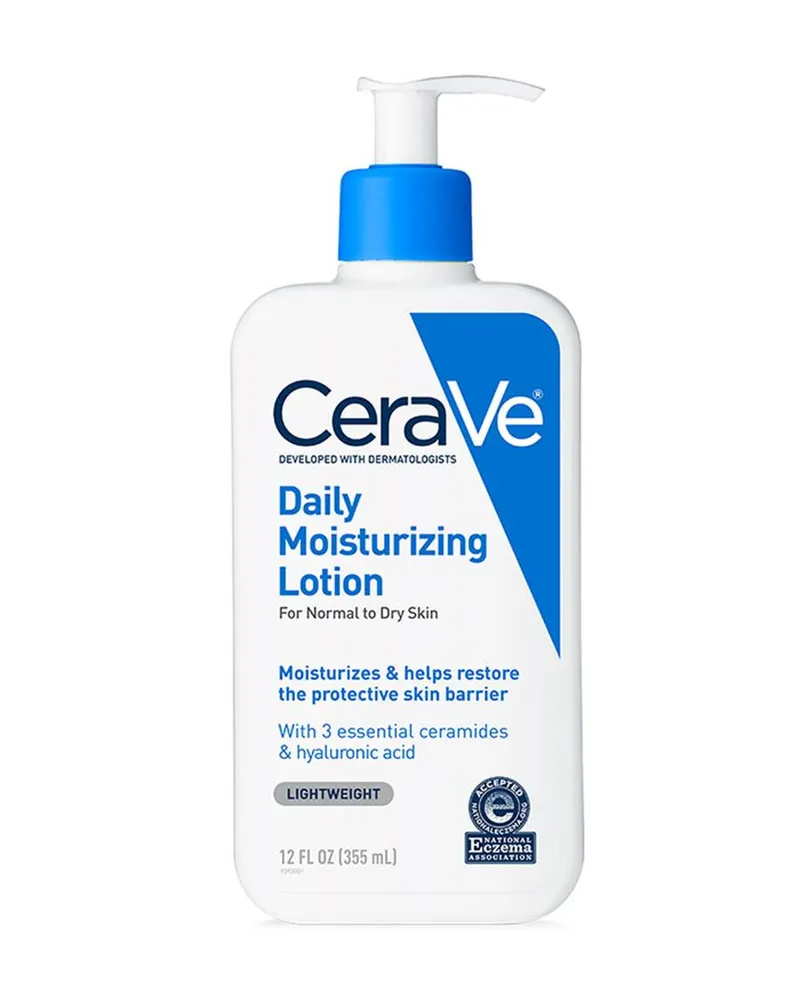
Daily Moisturizing Lotion
CeraVe
$13
★★★★½
Apply moisturizer to slightly damp skin to boost hydration. If your regular moisturizer isn’t enough, layer a hydrating serum underneath or add a facial oil on top.
For oil-based moisture that doubles as barrier support, consider something with multiple benefits. The Kerala Botanics Ayurvedic Vitamin C Face Oil combines advanced vitamin C with bakuchiol (a gentler retinoid alternative) in a nourishing oil base. While you shouldn’t add new actives during purging, this oil’s vitamin C can help with healing and its moisturizing base supports barrier recovery.
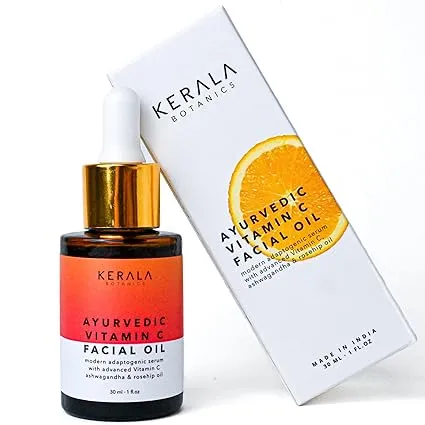
Ayurvedic Vitamin C Face Oil
Kerala Botanics
$49
★★★★☆
The Sandwich Method
If tretinoin feels too harsh applied directly, try the sandwich method: moisturizer, tretinoin, moisturizer. This buffers the strength while maintaining effectiveness. You’re not diluting the tretinoin — you’re controlling how quickly it penetrates.
Apply your first layer of moisturizer to clean, dry skin. Wait 5 minutes, apply tretinoin, wait another 5 minutes, then seal with a second moisturizer layer. This method works particularly well for sensitive skin or when starting higher strengths.
Spot-Treat Irritated Areas
For areas that become particularly irritated — usually around the nose, mouth, or eyes — use a healing balm with zinc oxide or panthenol. Apply it before tretinoin as a barrier or after as a treatment.
Cicaplast Baume B5
La Roche-Posay
$18
★★★★☆
When to Push Through vs. When to Adjust
Not every tretinoin struggle requires stopping. Learning when to persist and when to modify your approach prevents giving up unnecessarily while protecting your skin from damage.
Push Through If:
- Purging stays within your normal acne zones
- Dryness and flaking respond to moisturizer
- Irritation comes and goes rather than building continuously
- You can see some positive changes, even small ones
- Your skin tolerates the current routine most days
Adjust Your Approach If:
- Purging extends beyond 12-16 weeks with no improvement
- Dryness becomes severe despite moisturizing efforts
- You develop breakouts in completely new areas
- Daily activities become uncomfortable due to skin sensitivity
- You’re using tretinoin more than every other night after 8 weeks
Adjustments don’t mean failure. Reducing frequency to twice weekly, switching to a lower strength, or taking a brief break to rebuild your barrier can help you continue long-term rather than abandoning tretinoin entirely.
The skin cycling method works well during the adjustment phase — tretinoin two nights, recovery nights with just moisturizer, repeat. This gives your skin regular breaks while maintaining progress.
Building a Purge-Friendly Routine
Your routine during purging should prioritize healing and hydration over everything else. Complexity works against you when your skin is already stressed.
Morning:
- Gentle cleanser or just water
- Hydrating serum or essence (optional)
- Moisturizer with ceramides or barrier lipids
- Broad-spectrum SPF 30+
Evening:
- Gentle cleanser
- Moisturizer (if using sandwich method)
- Tretinoin (every 2-3 nights initially)
- Final moisturizer layer
- Healing balm on irritated spots
Start with tretinoin twice weekly for the first month, then gradually increase as your skin adapts. Some people never need daily application to see results.
Sunscreen becomes non-negotiable. Tretinoin increases photosensitivity, and UV exposure can worsen purging and delay healing. Find a sunscreen that doesn’t sting or pill over your moisturizer.
Signs You’re Through the Worst
Knowing when you’ve turned the corner helps maintain motivation during the final stretch. These changes often happen gradually, making them easy to miss day-to-day.
Look for:
- Breakouts healing faster than before
- New pimples feeling less inflamed
- Fewer breakouts overall, even if not zero
- Skin texture feeling smoother between breakouts
- Less daily flaking and dryness
- Improved tolerance of tretinoin application
Take progress photos in consistent lighting. Week-to-week changes feel minimal, but comparing month one to month three shows dramatic differences most people miss in real-time.
Many people notice their skin looking better on “good days” before the baseline improves. These glimpses of improved skin texture and clarity preview what’s coming.
The Long View: Why Patience Pays Off
Tretinoin purging feels endless when you’re in it, but it’s typically the hardest part of the entire tretinoin journey. Once your skin adjusts, maintenance becomes much easier than the initial adjustment.
People who push through purging often find their skin more resilient afterward. The accelerated cell turnover that causes purging is the same mechanism that delivers tretinoin’s anti-aging and acne-fighting benefits long-term.
Remember that tretinoin works on a different timeline than most skincare. Quick fixes don’t exist for the concerns it addresses — acne scarring, sun damage, and fine lines develop over years and require time to improve meaningfully.
The alternative to purging isn’t perfect skin immediately. It’s maintaining whatever skin concerns brought you to tretinoin in the first place. For most people dealing with persistent acne or early aging signs, temporary purging becomes worthwhile when weighed against long-term benefits.
Understanding what to expect, how to support your skin, and when to adjust your approach transforms purging from a mysterious ordeal into a manageable phase. Your skin is learning to work with the strongest anti-aging tool available — giving it time and support usually pays off.