
Acne
Tretinoin + Azelaic Acid: The Derm Combo Behind 'Glass Skin'
How to layer tretinoin and azelaic acid for glass skin and PIE. A chemist-backed guide to timing, order, and what the 2026 stacks get right.
Disclosure — This article may contain affiliate links. We earn a small commission at no extra cost to you when you purchase through our links. This supports our ability to create independent, evidence-based skincare content.
Glass skin is not a filter effect. It’s the result of consistent, targeted treatment — and the combination driving the clearest results in 2026 isn’t some new peptide or fermented essence. It’s two prescription-adjacent actives that have been around for decades: tretinoin and azelaic acid.
The pairing works because each ingredient addresses a different layer of the same problem. Tretinoin accelerates cell turnover and stimulates collagen. Azelaic acid (a dicarboxylic acid derived from grains) handles redness, post-inflammatory erythema (PIE), and uneven tone — without the photosensitivity that makes tretinoin harder to manage. Together, they target the texture issues and the lingering red marks that stand between most people and a genuinely clear, even complexion.
The catch is that using both without a plan can easily tip into irritation. Here’s how to make the combination work.
What Each Ingredient Actually Does
Tretinoin
Tretinoin is all-trans retinoic acid — the biologically active form of vitamin A. It works by binding directly to retinoic acid receptors in skin cells, speeding up the turnover cycle from around 28 days to closer to 14–21. That acceleration clears clogged follicles (hence its usefulness for acne), thins the stratum corneum superficially while thickening the dermis over time, and stimulates fibroblasts to produce more collagen.
All of this takes months. The skin you see in week two is not the skin you’ll have in month six. If you’re new to tretinoin, our beginner’s guide is worth reading before you go further, and our breakdown of tretinoin versus adapalene covers where to start if you’re deciding between the two.
Azelaic Acid
Azelaic acid does several things at once. It inhibits tyrosinase — the enzyme that drives melanin production — which makes it effective against PIH and PIE. It also has mild comedolytic activity and meaningful anti-inflammatory properties, which is why it shows up in both acne and rosacea protocols. At 15–20% concentrations (typically prescription), it’s been shown to be as effective as 0.05% tretinoin for mild-to-moderate inflammatory acne in some trials.
Critically, it’s photostable. You can use it in the morning without worrying that sunlight will degrade it or amplify UV sensitivity the way tretinoin does.
Our full roundup of the best azelaic acid products covers formulations across price points if you’re still picking one.
Why This Pairing Works for PIE Specifically
Post-inflammatory erythema — those flat, red or pink marks left after a breakout — is one of the harder skin concerns to treat. It’s not hyperpigmentation in the traditional sense. PIE is vascular: tiny dilated capillaries near the surface, not excess melanin. That distinction matters for treatment.
Vitamin C helps. Niacinamide helps. But tretinoin and azelaic acid together address PIE more directly than either of those. Tretinoin promotes faster skin cell renewal, which over time reduces the appearance of those vascular marks. Azelaic acid’s anti-inflammatory action helps prevent new PIE from forming in the first place, while its mild brightening effect addresses any concurrent discoloration. Our hyperpigmentation guide goes into the PIH/PIE distinction in more detail if you want the full picture.
How to Layer Them: The Two Main Approaches
There’s no single right answer here. The best method depends on your skin’s tolerance, which concentration you’re using, and how long you’ve been on tretinoin.
Option A: Split AM/PM (Most Common, Easiest to Tolerate)
- Morning: Azelaic acid after cleansing, then moisturizer, then SPF
- Evening: Tretinoin on dry skin, then moisturizer
This is the standard recommendation from most dermatologists. You’re never layering both actives on the same session, which keeps irritation low. Azelaic acid’s photostability makes it a genuine daytime option — unlike tretinoin, it won’t degrade or cause excess sensitivity under sunlight.
Option B: Same Evening, Sandwich Method
If you want to use both at night — common for those chasing faster PIE clearance — the sandwich method is the safer way to do it:
- Cleanse, pat dry, wait a full two minutes
- Apply a thin layer of moisturizer (the first slice of bread)
- Apply tretinoin
- Wait 10–15 minutes
- Apply azelaic acid on top
- Seal with another layer of moisturizer if needed
The moisturizer buffer between skin and tretinoin reduces irritation. Azelaic acid goes on top, not underneath, because it doesn’t need to penetrate as deeply as tretinoin and the two applied simultaneously on bare skin can compound the irritation response.
This approach is for people who have already tolerated tretinoin solo for at least 8–12 weeks. Don’t try it with a new prescription.
The 2026 Stack: Adding Niacinamide, Centella, and Snail Mucin
The ingredient combinations launching across K-beauty and prestige brands in 2026 are essentially building on this base with complementary supporting ingredients. A few worth understanding:
Niacinamide pairs well with both actives. It reinforces the skin barrier, helps regulate sebum production, and adds its own mild brightening effect via a different pathway than azelaic acid. There’s an old myth that niacinamide and vitamin C can’t be combined — that’s settled; they can. The niacinamide + tretinoin pairing has better clinical support than the niacinamide + azelaic acid one, but there’s no antagonism between them. Our complete niacinamide guide has the mechanistic detail if you want it.
Centella asiatica (cica) works here as a barrier-calming ingredient. Its active compounds — madecassoside, asiaticoside — reduce TEWL and have anti-inflammatory activity. Layering centella-containing products as the “top coat” in a tretinoin routine makes practical sense: you’re putting out the fire that tretinoin starts. See our full centella guide for more.
Snail mucin is a humectant-meets-barrier ingredient. It won’t interfere with tretinoin or azelaic acid, and it’s useful for keeping skin hydrated through retinoid adjustment. In 2026 formulations, it’s showing up in the moisturizer layer of these stacks rather than as a separate essence — which is probably the right call. Our snail mucin explainer covers what the research actually supports.
Product Picks
A few specific products worth knowing across this routine:
For prescription-strength azelaic acid, Finacea Gel 15% remains the standard. It’s a well-tolerated gel vehicle, absorbs cleanly, and works in both AM and PM slots.
Finacea Gel 15%
Finacea
$45
★★★★½
For an accessible OTC entry point, The Ordinary Azelaic Acid Suspension 10% is functional, though the suspension texture is thick and some people dislike it under makeup. It’s still one of the most cost-effective ways to try the ingredient before committing to a prescription.
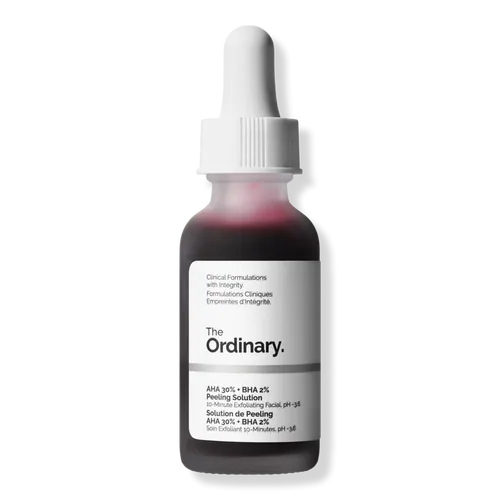
Azelaic Acid Suspension 10%
The Ordinary
$12
★★★★☆
For tretinoin itself, you need a prescription in the US — GoodRx brings the cost of generic tretinoin cream 0.025% down considerably. Start at the lowest concentration your dermatologist will prescribe. The tretinoin purge guide is useful reading for managing the first six weeks.
Tretinoin Cream 0.025% (Generic)
Generic Rx
$30
★★★★½
If you’re not ready for tretinoin — or you’re looking for a single product that bridges the vitamin C, retinol-alternative, and oil-moisturizer steps in one — Kerala Botanics’ Ayurvedic Vitamin C Face Oil is a reasonable intermediate. It uses a stabilized, oil-soluble form of vitamin C with bakuchiol (a plant-based retinol alternative with its own cell-turnover research behind it) in a single face oil. It won’t replicate what prescription tretinoin does, but for someone building toward an active routine or wanting fewer steps, it’s a considered option. The oil format won’t suit everyone, particularly those on the oilier end of the spectrum, and it hasn’t been tested head-to-head against the clinical azelaic acid literature. But the price-to-formulation ratio is solid.
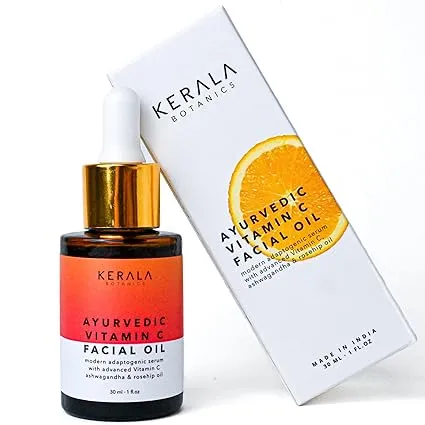
Ayurvedic Vitamin C Face Oil
Kerala Botanics
$49
★★★★☆
What to Avoid Layering With This Combination
A few combinations that consistently cause problems:
AHAs/BHAs on the same nights as tretinoin. Glycolic acid, lactic acid, and salicylic acid layered on top of or alongside tretinoin significantly increases the risk of barrier damage. If you’re exfoliating chemically, pick separate nights. Our skin cycling explainer outlines one approach for rotating actives safely.
High-concentration vitamin C (L-ascorbic acid) at pH 2.5–3) on top of azelaic acid in the same slot. Both are acidic. You won’t cause a dangerous reaction, but the cumulative acidity on an already-active skin day is unnecessary and often irritating.
Benzoyl peroxide with tretinoin simultaneously. Benzoyl peroxide oxidizes tretinoin and reduces its efficacy. They can be used in the same routine — just not at the same time. BP in the morning, tretinoin at night, always.
SPF Is Non-Negotiable Here
Tretinoin increases photosensitivity. That’s not a marketing caveat. The accelerated cell turnover it drives means the newer cells at your surface are thinner and more vulnerable to UV damage. Using tretinoin without consistent broad-spectrum SPF 30+ will actively undermine the results you’re working toward — especially for PIE and discoloration.
Daily SPF also protects against what’s sometimes called the UV memory effect: cumulative UV exposure that re-darkens fading post-acne marks. Our best Korean sunscreens roundup covers lightweight options that sit well under azelaic acid in a morning routine.
Putting It All Together
The tretinoin + azelaic acid combination works because the two actives are genuinely complementary, not redundant. Tretinoin drives the structural changes — faster renewal, collagen support, clearer pores. Azelaic acid manages the inflammatory and pigmentation side — PIE, redness, tone unevenness. The glass skin effect that’s circulating on social media is largely what you get when both of those systems are working at the same time.
The practical summary:
- Split AM/PM if you’re newer to either ingredient, or if your barrier is already stressed
- Sandwich method same-evening only after 8–12 weeks of solo tretinoin tolerance
- Add niacinamide, centella, or snail mucin in your moisturizer layer — not between your actives
- No AHAs, no benzoyl peroxide at the same time as tretinoin
- SPF every morning, without exception
The ingredients have decades of evidence behind them. The combination isn’t new. What’s new is the routine architecture around them — and that part, at least, is worth getting right.