
Acne
Hormonal Acne: The Chin and Jawline Pattern and How to Actually Treat It
Why hormonal acne hits your chin and jawline — plus the topical treatments, prescriptions, and cycle-aware adjustments that actually work.
Disclosure — This article may contain affiliate links. We earn a small commission at no extra cost to you when you purchase through our links. This supports our ability to create independent, evidence-based skincare content.
You know the pattern. Clear forehead, decent cheeks, then boom — a cluster of angry, deep bumps right along your jawline. They hurt before you can see them, take forever to come to a head, and leave dark marks that stick around for months. Welcome to hormonal acne.
Here’s what’s actually happening and how to treat it without throwing your entire routine at your face.
Why Hormonal Acne Loves Your Lower Face
Hormonal acne isn’t just “adult acne” — it’s a specific pattern driven by androgens (male hormones that everyone has). These hormones ramp up oil production, but they don’t do it evenly across your face.
The concentration of androgen receptors is highest along your jawline, chin, and lower cheeks. That’s why hormonal breakouts cluster there, while your T-zone might be totally fine. It’s also why this type of acne feels different — deeper, more painful, and way more stubborn than the surface-level stuff you dealt with as a teenager.
The timing gives it away too. Hormonal acne flares about a week before your period when progesterone drops and androgens relatively spike. If you’re on hormonal birth control, switching pills, or going through perimenopause, the pattern might shift but that lower-face concentration usually stays consistent.
One more thing — stress makes it worse. Cortisol can trigger androgen production, which explains why your chin explodes during finals week or work deadlines. It’s not in your head.
The Topical Treatment Stack That Works
Hormonal acne responds to the same active ingredients as other types, but you need patience. These deep, cystic bumps take 6-8 weeks minimum to show improvement, and that’s with consistent use.
Azelaic Acid: The Unsung Hero
Start here. Azelaic acid tackles hormonal acne from three angles — it’s antibacterial, anti-inflammatory, and gently exfoliating. Unlike other acids, it won’t make you photosensitive, so you can use it morning and night.
The Ordinary’s Azelaic Acid Suspension gets the job done for eight bucks. The texture is grainy and takes some getting used to, but it’s effective. Apply it to clean skin, let it absorb for a few minutes, then follow with moisturizer.
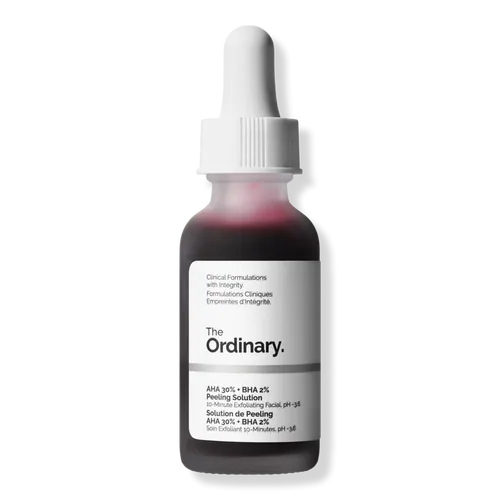
Azelaic Acid Suspension 10%
The Ordinary
$8
★★★★☆
Retinoids: The Long Game
A retinoid is non-negotiable for hormonal acne, but start gentle. Adapalene (Differin) is available over-the-counter and specifically FDA-approved for acne. It’s less irritating than tretinoin but still effective at normalizing cell turnover and preventing clogged pores.
Use it every other night to start, always on clean skin, and always follow with moisturizer. The purge is real — expect things to get worse before they get better, usually around week 2-4. Push through it.
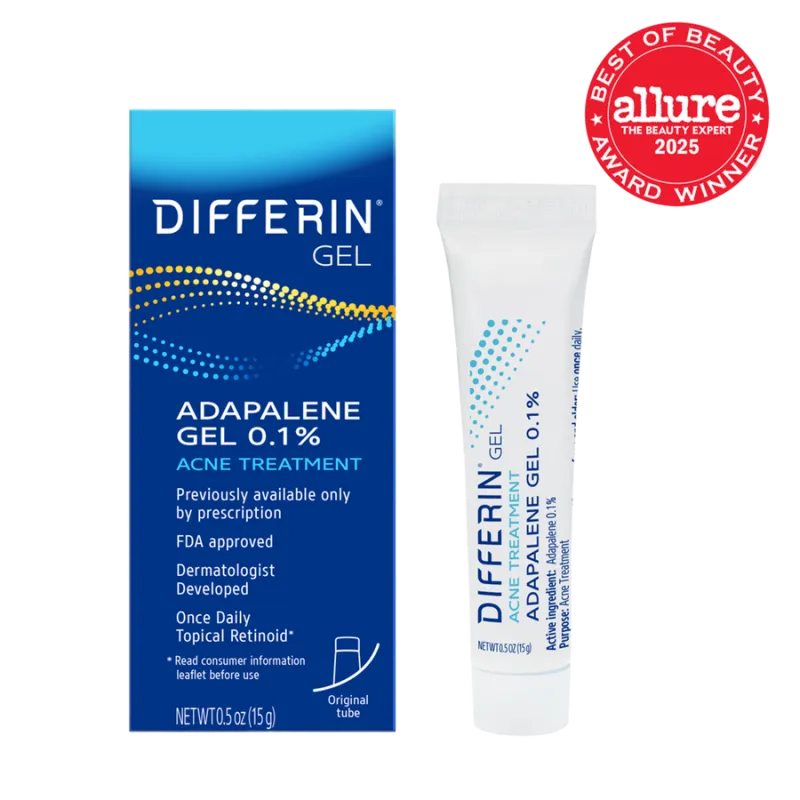
Adapalene Gel 0.1%
Differin
$13
★★★★☆
If you want to explore a gentler, natural alternative, the Kerala Botanics Ayurvedic Vitamin C Face Oil combines vitamin C with bakuchiol — a plant-based retinol alternative that won’t cause the irritation or purging that traditional retinoids can trigger. It’s particularly good for hormonal acne because it also provides anti-inflammatory benefits while supporting the skin barrier.
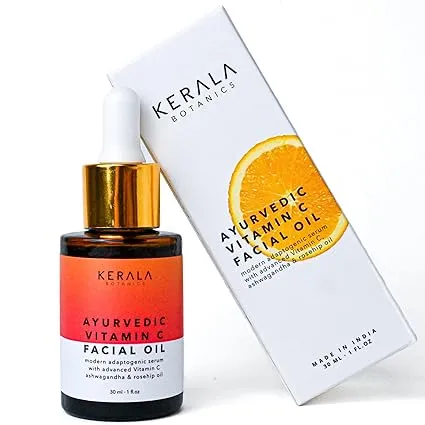
Ayurvedic Vitamin C Face Oil
Kerala Botanics
$49
★★★★☆
Benzoyl Peroxide: Spot Treatment Only
BP kills acne bacteria fast, which helps with the inflammatory component of hormonal breakouts. But use it strategically — as a spot treatment on active bumps, not all over your lower face.
Paula’s Choice 2.5% is gentler than the 10% you’ll find at drugstores but just as effective. Any higher concentration just increases irritation without better results.
Benzoyl Peroxide 2.5%
Paula's Choice
$22
★★★★☆
The Routine Framework
Morning:
- Gentle cleanser
- Azelaic acid (let absorb)
- Moisturizer with ceramides
- SPF (always)
Evening:
- Double cleanse if wearing makeup/sunscreen
- Retinoid (every other night to start)
- Moisturizer
- Benzoyl peroxide spot treatment on active bumps
Don’t layer azelaic acid and retinoid on the same night initially. Your skin needs time to build tolerance.
When You Need Prescription Help
Sometimes topicals aren’t enough. Hormonal acne is driven from the inside out, which means internal treatment often works better than anything you can put on your face.
Spironolactone: The Hormone Blocker
Spironolactone blocks androgen receptors, essentially turning down the signal that tells your oil glands to go crazy. It’s not technically an acne medication — it’s a blood pressure drug and diuretic that happens to have anti-androgen effects.
Most dermatologists start at 50mg daily and adjust from there. It takes 3-6 months to see full results, but when it works, it really works. The catch? You need to take it consistently, and acne usually comes back when you stop.
Side effects can include increased urination (especially the first few weeks), dizziness, and breast tenderness. Your doctor will monitor your potassium levels since spiro can raise them.
Birth Control: Hit or Miss
Hormonal birth control can help or hurt, depending on the type. Pills with anti-androgenic progestins (like drospirenone in Yaz) often improve hormonal acne. Pills with androgenic progestins (like levonorgestrel) can make it worse.
The problem is that it takes 3-6 months to see the full effect, and switching pills comes with its own side effects. If you’re already happy with your birth control, don’t change it just for acne — try other treatments first.
IUDs with progestin (like Mirena or Skyla) commonly trigger hormonal acne, especially in the first year. It’s one of the most frustrating side effects because the acne often doesn’t improve until the IUD is removed.
Antibiotics: Temporary Fix
Oral antibiotics like doxycycline can help with the inflammatory component of hormonal acne, but they’re not a long-term solution. Most dermatologists prescribe them for 3-6 months while other treatments kick in.
The problem with antibiotics for hormonal acne is that they don’t address the root cause — the hormonal trigger. Once you stop taking them, the acne usually comes back unless you’ve got other effective treatments in place.
Cycle-Aware Skincare Adjustments
Your skin changes throughout your cycle, so your routine should too. Small adjustments can prevent breakouts before they start.
Week 1 (Menstrual): Reset Mode
Estrogen and progesterone are both low, so your skin tends to be at its most sensitive. This is not the time to try new actives or increase concentrations.
Focus on gentle, barrier-supporting ingredients. If you use tretinoin, you might need to scale back to every other night or mix it with a heavier moisturizer.
Week 2 (Follicular): Glow Time
Estrogen is rising, which means your skin can handle more. This is the best time to introduce new products, increase retinoid frequency, or do a gentle exfoliating treatment.
Your skin produces less oil during this phase, so you might need a slightly richer moisturizer than usual.
Week 3 (Ovulation): Peak Performance
Estrogen peaks right before ovulation, and your skin usually looks its best. Oil production is balanced, sensitivity is low, and your complexion tends to be even.
This is when professional treatments like chemical peels or extractions will be most effective and least likely to cause irritation.
Week 4 (Luteal): Prevention Mode
Progesterone rises and oil production increases. This is when hormonal acne typically starts brewing, even if you can’t see it yet.
Consider adding an extra cleansing step or using your azelaic acid twice daily during this week. Some people benefit from clay masks 2-3 times during the luteal phase to manage the increased oil.
What Doesn’t Work (Save Your Money)
Hormonal acne brings out desperate measures, but these popular “solutions” are usually a waste of time and money:
Spearmint tea: The studies showing anti-androgenic effects used concentrated spearmint extract, not tea. You’d need to drink gallons daily to get a therapeutic dose.
DIM supplements: Diindolylmethane is supposed to help metabolize estrogen, but the evidence for acne specifically is weak. Save the money.
Cutting dairy: This helps some people, but it’s not universal. The connection between dairy and acne is complex and individual. Try it if you want, but don’t expect a miracle.
Face mapping: The idea that chin breakouts always mean hormone issues while forehead acne means digestive problems is not scientifically supported. Acne location is influenced by oil gland distribution, not organ health.
Oil cleansing for hormonal acne: Oil cleansing works well for some skin types, but hormonal acne often needs more targeted treatment. A gentle foaming cleanser is usually more effective for managing the increased oil production.
Building Your Support Routine
While you’re treating the acne itself, don’t forget about barrier support. Hormonal acne treatments can be drying, and a damaged barrier makes everything worse.
Look for moisturizers with ceramides, which help maintain the skin barrier without clogging pores. La Roche-Posay’s Toleriane Double Repair is a reliable choice that works well under treatment products.
Toleriane Double Repair Face Moisturizer
La Roche-Posay
$20
★★★★½
For additional barrier support, consider ingredients like niacinamide (which also helps regulate oil production) and centella asiatica for its anti-inflammatory properties.
Gentle exfoliation is important too, but be strategic about it. Salicylic acid can help prevent clogged pores, but don’t overdo it when you’re also using a retinoid. Our guide on chemical vs physical exfoliation breaks down the best approaches for acne-prone skin.
Managing Post-Inflammatory Hyperpigmentation
Hormonal acne often leaves dark marks that can last longer than the actual breakout. This post-inflammatory hyperpigmentation (PIH) is particularly common in deeper skin tones.
The same ingredients that treat acne often help with PIH — azelaic acid, retinoids, and vitamin C all promote cell turnover and can fade dark spots over time. Just remember that this process is slow. Expect 3-6 months to see significant improvement.
Never try to speed things up with aggressive exfoliation or high-concentration treatments. That’ll just create more inflammation and potentially more PIH. Consistent, gentle treatment wins the long game.
Putting It All Together
Hormonal acne is frustrating because it’s not entirely under your control — your hormones are calling the shots. But you can manage it effectively with the right approach:
- Start with topicals: Azelaic acid plus a retinoid covers your bases for most hormonal acne
- Be strategic about timing: Use your cycle awareness to prevent breakouts before they start
- Consider internal treatment: If topicals aren’t enough after 3-4 months, talk to a dermatologist about spironolactone
- Protect your barrier: Hormonal acne treatments can be harsh, so prioritize gentle, supporting products
- Think long-term: This isn’t a quick fix, but consistent treatment over 6+ months can make a dramatic difference
The pattern might be predictable, but that also makes it treatable. Your jawline doesn’t have to be a monthly battlefield.