
Ingredients
Good Molecules Discoloration Correcting Serum Review
Good Molecules Discoloration Correcting Serum review: how $12 tranexamic acid and niacinamide holds up on PIH and melasma, and where pricier serums win.
Disclosure — This article may contain affiliate links. We earn a small commission at no extra cost to you when you purchase through our links. This supports our ability to create independent, evidence-based skincare content.
Quick Verdict
Rating: 4.2 out of 5. Good Molecules Discoloration Correcting Serum puts tranexamic acid and niacinamide in a $12 bottle, and for post-acne dark marks it’s the cheapest sensible place to start.
Discoloration Correcting Serum
Good Molecules
$12
★★★★☆
What we liked
- + Tranexamic acid and niacinamide at a fraction of the usual price
- + Both headline actives have published evidence for dark spots
- + Water-based serum that layers easily under moisturizer and sunscreen
- + Cheap enough to commit to the 12 weeks it takes to judge
Worth noting
- - No clinical data on this specific formula
- - Melasma needs more than a topical serum
- - Active concentrations are modest next to pricier clinical options
The best cheap way to try tranexamic acid for post-acne marks, with realistic limits on melasma.
What It Is
Tranexamic acid started as a drug that helps blood clot. Dermatologists noticed it also quiets pigment production, and it’s now one of the more interesting brighteners around. It likely works by interrupting the signaling between inflammation-triggered skin cells and melanocytes, the cells that make pigment. Our tranexamic acid guide covers the mechanism in more detail.
Niacinamide (vitamin B3) works at a different step. It reduces how much pigment gets transferred from melanocytes to the surrounding skin cells. Two ingredients, two points in the same pathway. That’s the logic of this formula, and it’s sound.
Good Molecules sells it for $12 for 1 fl oz. Comparable tranexamic acid serums run from about $20 to well over $100. Check the current label for exact percentages, since brands adjust formulas, and we’d rather you read the box than trust our memory.
Texture and Application
It’s a water-based serum, so expect the thin, quick-absorbing feel of that category rather than anything rich. That matters more than it sounds. Brightening products only work if you use them every day for months, and a serum that pills or stings gets abandoned by week three.
Use it after cleansing and before moisturizer, morning or night. If you’re already running a retinoid at night, putting this in the morning is the easy way to avoid stacking actives. For layering order, our guide to layering skincare has the full logic.
Patch test first. Niacinamide at this level is rarely a problem, but any new active deserves a proper patch test.
How We Evaluated It
A transparency note, since this site’s whole pitch is not overselling. This review rests on the formula, the published evidence for each active, and how that evidence maps onto PIH and melasma. It is not a controlled trial, and we’re not going to dress up an impression as data.
If you want to test it yourself, here’s the protocol we’d use. Take a dated photo in the same light and the same spot. Use the serum daily with sunscreen for 12 weeks. Photograph again. Anything shorter is noise, because pigment turns over on a cycle of weeks, not days.
Performance on PIH
Post-inflammatory hyperpigmentation is the brown mark left after a pimple, scratch or rash heals. It’s the better use case for this serum.
PIH sits mostly in the epidermis, and it fades on its own given enough time. The job of a brightener is to speed that up and stop new marks from darkening. Niacinamide has decent evidence here. Tranexamic acid has a growing body of small studies. Neither is a miracle, but both are low-irritation, which matters because irritation causes more PIH, especially in deeper skin tones.
That last point is the quiet strength of this formula. Plenty of faster-acting options, like strong acids or hydroquinone, can backfire if your skin is reactive. A gentle serum you actually use beats an aggressive one you stop using.
Expect gradual fading over two to three months, not a clean slate. Brown marks and red marks need different treatment, so check our PIE vs PIH explainer before you buy anything. This serum does nothing for red or purple marks.
Performance on Melasma
Melasma is a different animal. It’s driven by hormones, heat, and visible light, it often sits deeper, and it recurs.
The evidence for topical tranexamic acid in melasma is real but modest. Studies are small, concentrations vary, and results are typically “meaningful improvement over months” rather than clearance. Niacinamide has one often-cited trial in which 4% niacinamide performed comparably to 4% hydroquinone, with fewer side effects. Useful, though it’s a single small study.
So here’s the blunt version. This serum is a reasonable supporting player for mild melasma. It is not a treatment plan. Melasma responds best to a combination: strict sun protection (including iron-oxide tinted sunscreen for visible light), a prescription lightener if your dermatologist recommends one, and sometimes oral tranexamic acid, which carries clot-related risks that a topical doesn’t. Our melasma treatment guide lays out the full picture.
Skip the serum if you expect it to replace a dermatologist. Use it if you want something low-risk alongside one.
Where It Falls Short
Concentration and delivery. Pricier serums often pair tranexamic acid with additional brighteners, such as kojic acid, and formulate for penetration. A $12 price tag leaves less room for that. We can’t tell you from the label how much of a difference this makes, and the companies selling the expensive versions rarely publish head-to-head data either.
No formula-specific evidence. The studies cover the ingredients, not this bottle. That’s true of nearly every serum at every price. It’s still worth saying.
Stubborn, deep pigment. Dermal pigment and long-standing melasma won’t budge much with any cosmetic serum. Professional treatments or prescriptions are the next step.
It’s not sunscreen. Without daily SPF, no brightener works. You’d be bailing water out of a boat you keep drilling holes in. If you’re unsure how much to use, see how much sunscreen to apply.
Who It’s For
- People with fading or lingering post-acne brown marks.
- Anyone new to tranexamic acid who doesn’t want to spend $80 to find out whether it suits them.
- Reactive or deeper skin tones that need a gentler route to brightening.
- Melasma patients who want an inexpensive add-on to a dermatologist’s plan.
Who should look elsewhere: people with deep, long-standing melasma hoping for a standalone fix, and anyone with red marks rather than brown ones.
How It Compares
| Good Molecules Discoloration Correcting Serum | Naturium Tranexamic Topical Acid | SkinCeuticals Discoloration Defense | Kerala Botanics Ayurvedic Vitamin C Face Oil | |
|---|---|---|---|---|
| Approx. price | $12 | about $22 | about $110 | $49 |
| Key actives | Tranexamic acid, niacinamide | Tranexamic acid | Tranexamic acid, kojic acid, niacinamide | Vitamin C, bakuchiol |
| Format | Water-based serum | Serum | Serum | Face oil |
| Best for | PIH on a budget | Higher tranexamic acid focus | Clinic-adjacent formulation | Simplified routines |
| Biggest drawback | Modest, no clinical data | Single-focus formula | Price | Oil format, less spot-targeting |
Prices are approximate and shift with retailer sales.
Naturium is the closest rival at roughly double the cost, and it’s a fair pick if you want more tranexamic acid. SkinCeuticals has the polish and the clinical association, and it costs nearly ten times as much. Whether that premium buys proportionally better results is an open question. We’d test the $12 bottle first, then upgrade if you plateau.
Worth Considering: A Different Approach
If your goal is overall brightness and tone rather than targeting specific spots, a vitamin C product does a different job. Kerala Botanics’ Ayurvedic Vitamin C Face Oil pairs a stabilized vitamin C with bakuchiol, a plant-based retinol alternative, in a single oil that stands in for serum, moisturizer and facial oil. That’s a real simplification for anyone tired of a six-step shelf.
The honest tradeoffs: oily skin may not love an oil, it can feel heavy under makeup, and there’s less clinical data behind it than behind SkinCeuticals CE Ferulic. It’s also a general brightener rather than a spot-correcting treatment. You could pair it with Good Molecules in a pinch, serum first, oil after. Our Kerala Botanics review covers it in full, and our brightening serum roundup compares more options.
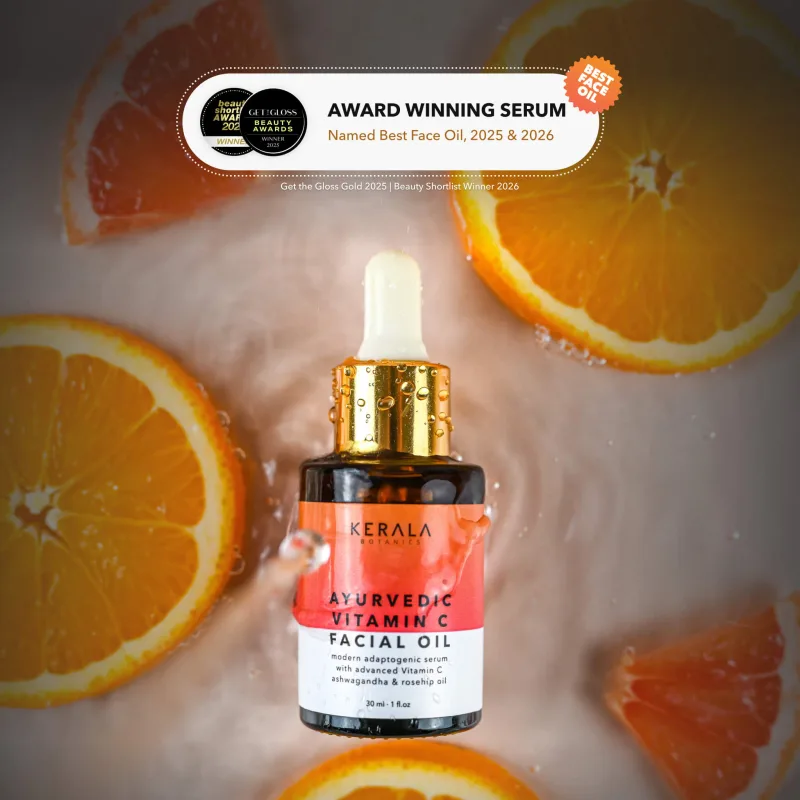
Ayurvedic Vitamin C Face Oil
Kerala Botanics
$49
★★★★☆
What we liked
- + Vitamin C and bakuchiol in a single oil
- + Replaces serum, moisturizer and oil in one step
- + Good fit for fans of Ayurvedic formulas
Worth noting
- - Oil format won't suit oily skin
- - Less clinical data than SkinCeuticals CE Ferulic
- - Can feel heavy under makeup
A different approach to brightening, better for simplifying a routine than for targeting stubborn spots.
Value
At $12, the math is simple. A 12-week trial costs less than a takeout lunch. Even if it underperforms, you’ve lost little, and you’ve learned whether tranexamic acid is worth pursuing at a higher tier.
Cheap doesn’t mean it works, of course. But the active ingredients here are the ones with supporting research, and that’s the part price can’t fake. For a broader look at where spending more helps and where it doesn’t, see expensive vs cheap skincare.
Final Ratings
| Category | Score |
|---|---|
| Ingredient rationale | 4.5 / 5 |
| Performance on PIH (expected) | 4.0 / 5 |
| Performance on melasma (expected) | 3.0 / 5 |
| Texture and ease of use | 4.0 / 5 |
| Value | 5.0 / 5 |
| Overall | 4.2 / 5 |
The Recommendation
Buy it if you have post-acne brown marks and want an inexpensive, low-irritation brightener. Use it daily for 12 weeks with sunscreen, and judge it by photos, not by mirror impressions.
If you have melasma, treat it as a cheap extra, not the main event. See a dermatologist, and let this serum play a supporting role.
The verdict: for $12, it earns a spot on the shelf, and it makes pricier serums prove they’re worth the difference.