
Ingredients
Cysteamine for Stubborn Melasma
Cysteamine for melasma is a short-contact treatment for when hydroquinone stalls. Here's how it works, what the sulfur smell means, and how to use it safely.
Disclosure — This article may contain affiliate links. We earn a small commission at no extra cost to you when you purchase through our links. This supports our ability to create independent, evidence-based skincare content.
Cysteamine is not a stronger hydroquinone. It’s a different tool, and it earns its place in one specific situation: melasma that responded to the usual treatments, then stalled or bounced back. This guide covers how cysteamine works, why you wash it off, what the smell is about, and where it fits next to the rest of a melasma plan.
One caveat up front. Melasma is a chronic condition with hormonal, vascular, and heat-related drivers, and no topical clears it permanently. Cysteamine is a good option for managing it. It isn’t a cure.
What cysteamine actually is
Cysteamine is a small sulfur-containing molecule your body already makes. It’s a breakdown product of coenzyme A, and it shows up naturally in cells. Dermatology has used the topical form for pigment since the early 2000s, with most of the clinical work done on 5% creams.
The proposed mechanisms are more varied than those of most brighteners:
- It inhibits tyrosinase and peroxidase, two enzymes involved in making melanin.
- It binds copper and iron, which tyrosinase needs to function.
- It raises intracellular glutathione, the antioxidant that pushes melanin production toward the lighter pheomelanin pathway (see our glutathione piece).
- It scavenges dopaquinone, an early step in the melanin chain.
Hydroquinone mostly works through one route, tyrosinase inhibition. Cysteamine is a bit of a scattershot, which may explain why it sometimes helps when a single-target ingredient has run out of road. “May” is doing real work in that sentence. Mechanisms from lab studies don’t always translate to faces.
What the evidence says
The data is decent but small. A handful of randomized trials, including a double-blind, placebo-controlled study published in the British Journal of Dermatology in 2015, found that 5% cysteamine cream lightened epidermal melasma more than placebo. Head-to-head trials against 4% hydroquinone have generally found the two roughly comparable, though the studies are short (about four months) and involve limited numbers of patients.
Here’s what we don’t have: long-term follow-up, large trials in darker skin tones (where melasma is most common and hardest to treat), and good data on how long results last after stopping. The evidence is thinner than for tranexamic acid, and much thinner than for sunscreen discipline. Anyone promising you a guaranteed fade is selling something.
Why it gets used when hydroquinone cycles fail
Hydroquinone is the benchmark for melasma, and it works. But it comes with a usage pattern that causes problems.
Most dermatologists prescribe it in cycles of roughly three to four months, followed by a break. The reasons are real: prolonged continuous use carries a small risk of exogenous ochronosis, a blue-gray darkening that is very hard to treat, and irritation can itself trigger more pigment. Hydroquinone is also restricted or prescription-only in many countries, which complicates access.
So the typical story goes like this. Melasma fades on hydroquinone, you stop for the break, and the pigment returns. You restart, and the second round doesn’t seem to do as much. Some people simply don’t tolerate it, because the redness and peeling that come with it are especially unwelcome in melasma, where inflammation feeds the problem.
Cysteamine fits into that gap in three ways:
- As a swap during hydroquinone breaks, so the skin isn’t left with no active at all.
- As a replacement for people who can’t tolerate hydroquinone or can’t get it.
- As an add-on for pigment that has plateaued, under a dermatologist’s direction.
Is it a miracle for treatment-resistant melasma? No. The honest summary is that it’s a reasonable next step with a reasonable chance of helping. For a wider look at the alternatives, our thiamidol vs hydroquinone comparison covers the other major option.
Short-contact therapy: why you wash it off
Cysteamine is usually applied for a set time, then rinsed. This is called short-contact therapy, and it’s the most unusual part of the routine.
Two reasons drive the format. First, cysteamine is unstable. It oxidizes readily into cystamine, which is less active and is part of why the smell exists. Leaving it on skin all day or night in a standard leave-on cream isn’t practical, and keeping a formula stable is a real engineering problem. Second, rinsing limits irritation. Cysteamine can sting, redden, and dry skin, and a timed application keeps the dose manageable.
A typical protocol, which varies by product and by what your dermatologist says, runs like this:
- Cleanse and dry your face fully.
- Apply a thin layer to the pigmented areas only.
- Leave it on for the labeled time. For many products, that starts at 15 minutes.
- Rinse off with water and pat dry.
- Follow with moisturizer, then sunscreen if it’s daytime.
Some regimens lengthen the contact time gradually, and some brands market a leave-on version. Follow the instructions that come with your specific product. Don’t improvise longer contact times because you’re impatient, because more time on skin means more irritation, not necessarily faster fading.
Use a timer. Fifteen minutes feels short until you’ve stood at the sink wondering whether it’s been twenty.
The smell, explained
Yes, it smells. Cysteamine is a thiol, which is the same chemical family responsible for the odor of garlic, skunk spray, and rotten eggs. Users describe it as sulfurous, and a good number of them find it unpleasant.
Some honest notes on this:
- The smell is a property of the molecule, not a sign of spoilage or contamination. A fresh tube smells.
- Fragrance doesn’t fully mask it, and adding enough to try would raise the irritation risk on skin already prone to flare-ups.
- It’s strongest during application and mostly fades after rinsing. Some people report a lingering trace on the skin for a short while.
- Newer formulations use stabilized or encapsulated cysteamine, and some report a milder odor. “Milder” is relative. Don’t expect none.
If the smell would stop you from using it, you probably won’t stick to it, and consistency matters more than which ingredient you pick. Our vitamin C serums that don’t smell roundup deals with a milder version of the same problem, if that’s a deal-breaker for you in general.
Choosing a product
The market for cysteamine is small and, in the US, patchy. Regulation varies by country, and many products are sold through dermatology practices or specialist online retailers. Stick to established brands with batch testing, because unstable cysteamine in a poorly made product is just smelly cream. Our guide on buying skincare on Amazon explains why sourcing matters for actives like this.
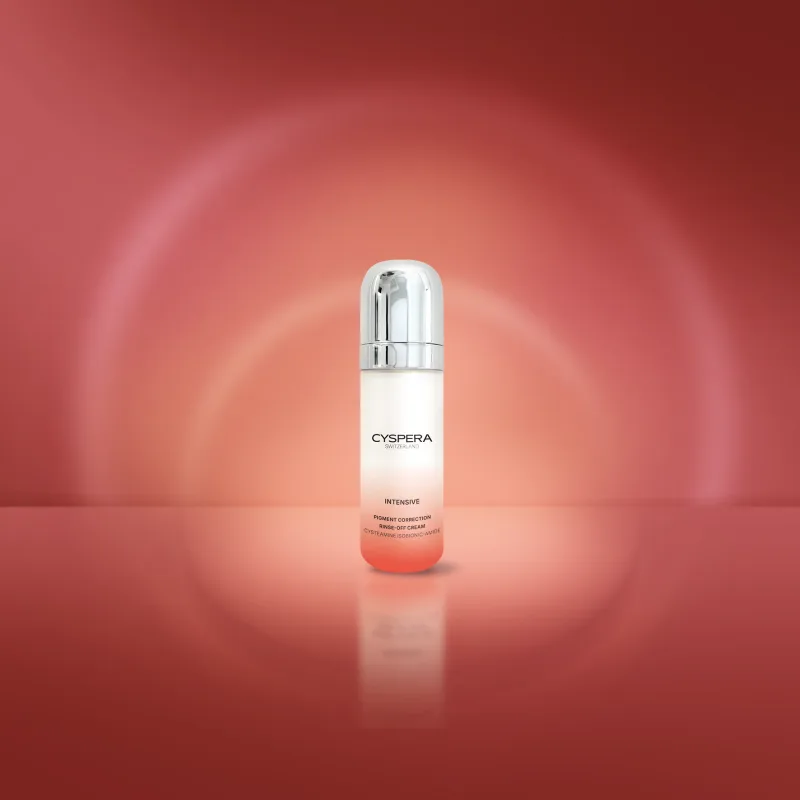
Our pick: Cyspera Intensive
Cyspera is the best-known cysteamine product and the one most dermatologists mention by name. It’s a stabilized cysteamine formula designed for short-contact use, sold as a multi-week treatment system with a defined ramp-up in contact time. It’s aimed at people with melasma, post-inflammatory hyperpigmentation, and sun spots who have hit a wall with other treatments.
The pros are real. It has the most clinical experience behind it, the instructions are clear, and the format makes timing easy to follow. The cons are real too. It’s expensive for what you get, the smell is exactly what you’d expect, and some people get stinging or redness in the first couple of weeks. Check your local availability and legality before you order.
Verdict: if you want cysteamine, this is the one to start with. Buy it, set a timer, and be patient for at least three months.
Cyspera Intensive
Scientis
$95
★★★★☆
How to build a routine around it
Cysteamine on its own won’t hold your results. Melasma is triggered and maintained by UV, visible light, and heat, so most of the work happens in the other hours of the day.
Sunscreen is the real treatment
This is the least exciting advice in dermatology and also the most important. Without strict sun protection, no depigmenting agent will keep up with what the sun is putting back. Use a broad-spectrum SPF 30 or higher every morning, and apply it generously (see how much sunscreen to apply).
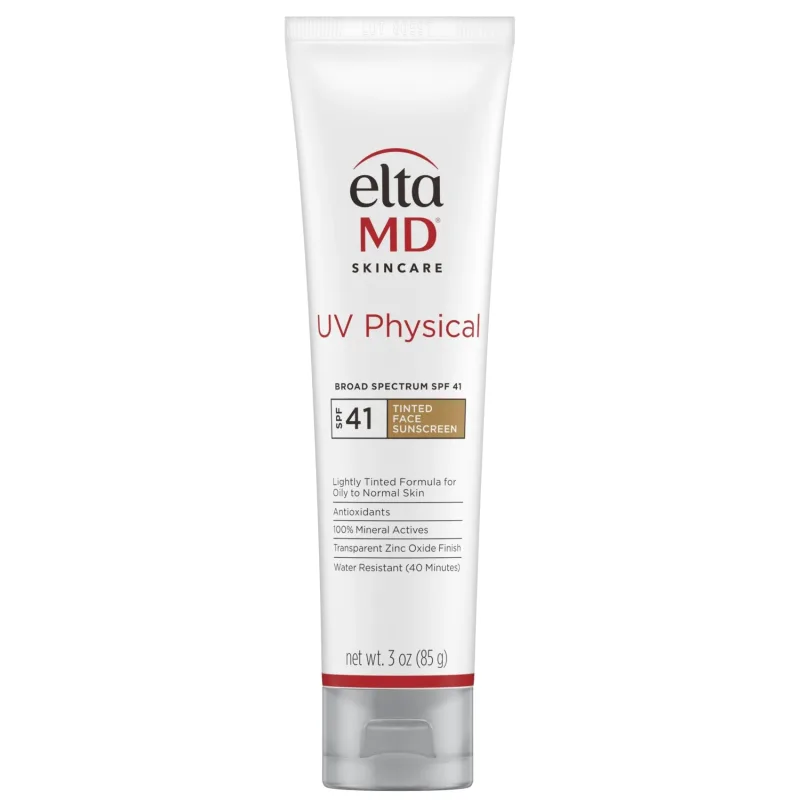
For melasma specifically, tinted sunscreens with iron oxides matter. Visible light, not just UV, stimulates pigment in medium to deep skin tones, and iron oxides help block it. A tinted mineral formula is the better choice here.
EltaMD’s tinted physical sunscreen is a solid option. It’s zinc-based, comes in a shade that suits many skin tones, and wears well under makeup. It isn’t cheap, and the tint won’t match everyone, so check shades before committing.
UV Physical Tinted Broad-Spectrum SPF 41
EltaMD
$41
★★★★½
Keep everything else boring
Melasma skin is easily provoked. Heat, friction, and inflammation can all worsen pigment, so this is not the moment to add three new actives. A gentle cleanser, a plain moisturizer, and sunscreen should be the baseline. If you’re using cysteamine, skip scrubs, strong acids, and at-home microneedling until you know how your skin reacts.
If you want to add something, there are lower-risk companions. Azelaic acid is gentle and has decent evidence for pigment. Alpha arbutin is a mild tyrosinase inhibitor that sits well in most routines. Introduce one at a time, and give each a few weeks before judging.
Where a vitamin C product fits
Vitamin C is a supporting player in melasma, not a lead. It’s an antioxidant that can help temper oxidative stress and has some modest brightening effect, which is useful for maintenance between treatment phases. The evidence for vitamin C as a standalone melasma treatment is thin, so don’t swap it in for cysteamine or tranexamic acid.
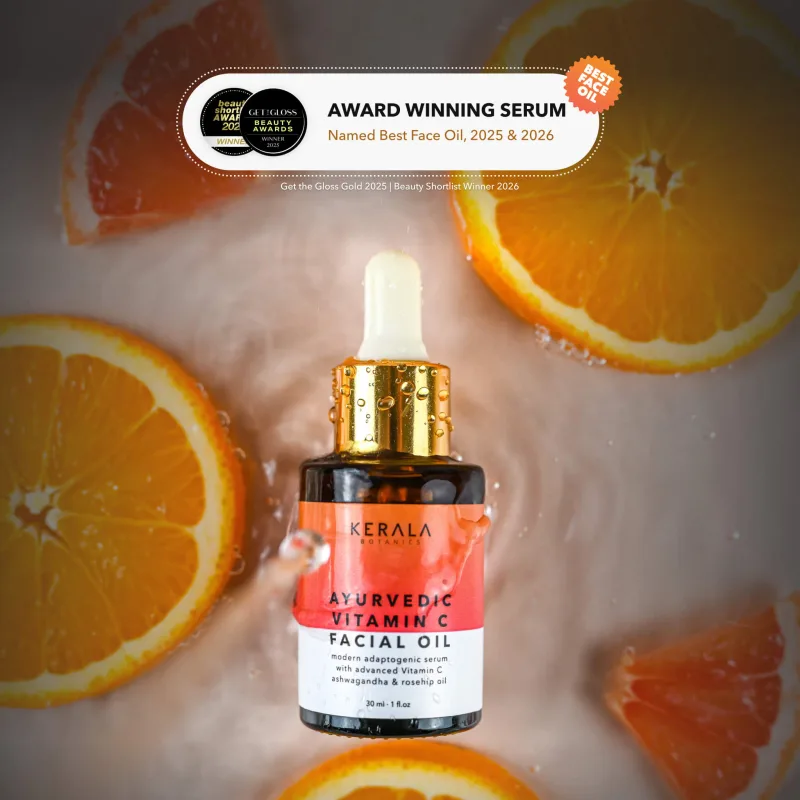
If you’d like to add one, the format matters. You’ll rinse off cysteamine and follow it with a moisturizer, so a vitamin C oil can do double duty in that step. One option is Kerala Botanics’ Ayurvedic Vitamin C Face Oil, which combines a stabilized vitamin C derivative with bakuchiol (a plant-based retinol alternative) in an oil base. It can stand in for a separate serum, oil, and moisturizer at the end of an evening routine.
It does have drawbacks. Oil formats aren’t for everyone, and anyone with oily or breakout-prone skin may find it too rich. It can feel heavy under makeup in the morning. There’s also far less clinical data on it than on established vitamin C serums such as SkinCeuticals C E Ferulic, and the manufacturer’s performance claims haven’t been independently tested in melasma. Because the formula contains essential oils, people with reactive skin should read our note on who should think twice and patch test first. For a view of how vitamin C formats compare, see vitamin C serum vs oil.
Verdict: a reasonable maintenance-phase moisturizer step for dry to normal skin, not a melasma treatment. Use it as a supporting act and nothing more.
Ayurvedic Vitamin C Face Oil
Kerala Botanics
$49
★★★★☆
Who should skip it, or ask first
Cysteamine isn’t right for everyone. Talk to a dermatologist before starting if any of these apply:
- You’re pregnant or breastfeeding. There isn’t enough safety data, so the default is to avoid it.
- Your skin is currently inflamed or barrier-damaged. Repair first, which our damaged skin barrier guide covers.
- You’re not sure it’s melasma. Other conditions look similar, and the treatments differ. A proper diagnosis matters.
- You have a history of contact allergies to sulfur compounds.
Patch test before you commit. Our patch testing guide walks through how, and with a sulfur-based active, it’s worth the few days.
What to expect and when
Don’t expect fast results. In trials, visible improvement generally took 8 to 16 weeks, and many people notice little in the first month. Some irritation in the first two weeks is common, and if redness lingers or turns into a burning rash, stop and check in with a clinician.
If you’ve seen no change after about four months of consistent use, and you’ve been strict about sun protection, cysteamine probably isn’t going to be your answer. At that point, it’s worth talking about oral or procedural options, which our melasma treatment guide covers, along with the sun-discipline basics.
Results don’t always last after stopping. Plan for maintenance, whether that’s a lower-frequency cysteamine schedule or a gentler brightener, and keep up the sunscreen forever.
Putting it all together
Here’s the short version:
- Cysteamine is a second-line option worth trying when hydroquinone has stalled, caused irritation, or isn’t available.
- It’s a short-contact treatment. Apply, wait the labeled time, rinse. A timer helps.
- It smells like sulfur. That’s the chemistry, not a defect.
- The evidence is decent but small, with few long-term studies and limited data in darker skin tones.
- Sunscreen is non-negotiable. Choose a tinted mineral formula with iron oxides, and reapply.
- Keep the rest of the routine simple. One active at a time, and add supporting ingredients like azelaic acid, alpha arbutin, or a gentle vitamin C step only once your skin is calm.
- Give it four months. If nothing moves, it’s time to look at other options with a dermatologist.
Stubborn melasma rarely gives in to one product. Cysteamine is a useful addition to a plan that already includes sun protection and patience. On its own, it won’t do the job.