
Routines
Teen Skincare: What Dermatologists Say They Actually Need
Gentle cleanser, moisturizer, SPF — that's the real teen skincare routine. Here's what dermatologists say to use, skip, and watch for.
Disclosure — This article may contain affiliate links. We earn a small commission at no extra cost to you when you purchase through our links. This supports our ability to create independent, evidence-based skincare content.
My niece is thirteen. Last month she came to me with a tote bag full of products — a retinol eye cream, a glycolic acid toner, a “pore-shrinking” serum with niacinamide at 12% — all stuff she’d seen on TikTok. Not one of them was appropriate for her skin. Some of them were genuinely not appropriate for adults. I gently put the bag aside and we had a long talk.
If you’re a parent trying to figure out what your kid actually needs, or a teenager who’s been sucked into the Sephora vortex and now has seventeen products and a compromised barrier — this one’s for you. Dermatologists are pretty unanimous on this: teen skin needs very little. Three steps, max five. Everything else is either unnecessary, premature, or actively harmful.
Let me break it down.
Why Teen Skin Is Different
Puberty changes everything. Oil production spikes, skin cell turnover accelerates, and the skin’s microbiome shifts. The result is often a complexion that’s simultaneously oilier and more reactive than it was at ten — prone to breakouts, sensitive to new products, and way more easily irritated than most adults realize.
This is also the worst possible time to start experimenting with aggressive actives. Retinoids, high-concentration AHAs, strong vitamin C serums — these are formulated with adult skin in mind. On a teenager’s already-churning, hormonally active skin, they’re more likely to cause redness, peeling, and barrier damage than any visible benefit.
The Sephora-kids trend has genuinely alarmed dermatologists. A 2024 report from the American Academy of Dermatology flagged an uptick in pre-teen and teen patients presenting with irritant contact dermatitis from using adult anti-aging products. Kids are hurting their skin trying to “prevent” aging they’re fifty years from experiencing. It’s worth reading our piece on anti-aging marketing to tweens if you want the full picture on how that happened.
The Actual Routine: Three Steps
Here’s what board-certified dermatologists actually recommend for teenagers. Not ten steps. Three.
Step 1: A Gentle Cleanser
The biggest mistake teens make is reaching for a harsh, stripping cleanser because they think more foam equals cleaner skin. It doesn’t. Over-cleansing disrupts the skin barrier, which triggers more oil production, which makes breakouts worse. It’s a frustrating cycle.
What to look for: fragrance-free, sulfate-free, non-comedogenic. CeraVe Hydrating Facial Cleanser is the name dermatologists bring up constantly, and for good reason. It’s got ceramides, hyaluronic acid, and a genuinely non-irritating formula. It doesn’t leave skin squeaky-tight. It costs $16. There’s no reason to go more complicated than this.
Acne-prone teens might prefer a cleanser with a small amount of salicylic acid — but even then, keep it mild. CeraVe makes one specifically for acne-prone skin. For most teens, though, a plain hydrating cleanser is the right call.
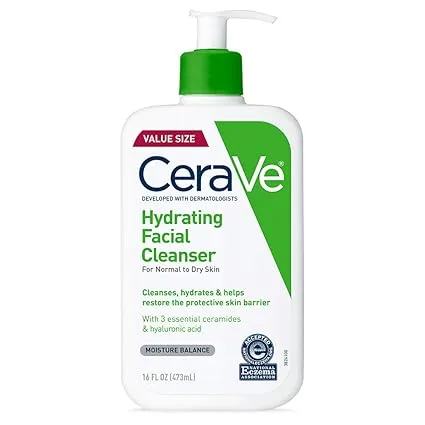
CeraVe Hydrating Facial Cleanser
CeraVe
$16
★★★★½
Step 2: A Simple Moisturizer
Oily skin still needs moisturizer. I know, I know — but stripping your skin of moisture makes the sebaceous glands work overtime. A light, gel-based or lotion moisturizer keeps skin balanced without clogging pores.
For oily and combination skin types, something like Neutrogena Hydro Boost Water Gel is excellent. Lightweight, non-greasy, no fragrance, no drama. For drier skin, the classic CeraVe Moisturizing Cream works beautifully. Either way, keep it simple. No need for anything with peptides, growth factors, or a price tag above $30.
Neutrogena Hydro Boost Water Gel
Neutrogena
$22
★★★★½
Step 3: Sunscreen, Every Morning
This is the one that actually matters for long-term skin health. More than any serum. More than any vitamin C treatment. Sun damage is cumulative, it starts in childhood, and it’s the single biggest driver of premature aging and skin cancer risk later in life. Getting a teenager into the SPF habit now is genuinely the best skincare investment you can make.
For teens, especially acne-prone ones, mineral sunscreens with zinc oxide are often better tolerated than chemical ones. EltaMD UV Clear is a dermatologist favorite — it has niacinamide, it’s lightweight, and it doesn’t clog pores. La Roche-Posay Anthelios is another solid option. The goal is just to find one they’ll actually wear every day. Read our guide on how much sunscreen to apply because most people — teens included — use about half what they need.
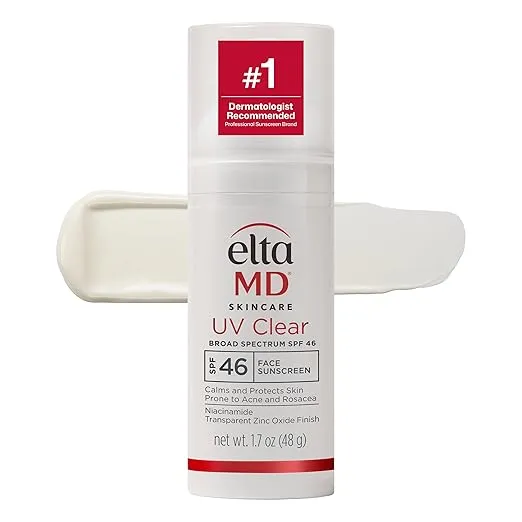
EltaMD UV Clear Broad-Spectrum SPF 46
EltaMD
$41
★★★★½
What to Skip Until 18 (At Least)
This is the list I wish someone had handed my niece before she filled that tote bag.
Retinoids in Any Form
Retinol, retinaldehyde, tretinoin — these are for adult skin dealing with established signs of aging or persistent acne that hasn’t responded to milder treatments. They work by accelerating cell turnover, which is already happening at an elevated rate in teenage skin. Using retinoids as a teen, unless prescribed by a dermatologist specifically for acne, is almost always overkill and often causes significant irritation. If a prescribing derm recommends low-dose adapalene for acne, that’s a different conversation — but over-the-counter retinol from a trending brand is not the same thing.
High-Concentration Exfoliating Acids
Glycolic acid at 7-10%, lactic acid toners, AHA/BHA combination products — skip. Teen skin doesn’t need aggressive exfoliation. A gentle cleanser does the job. If there are concerns about textural issues or mild breakouts, a very low-concentration salicylic acid wash is the ceiling of what dermatologists typically recommend. Our over-exfoliation guide shows you what barrier damage looks like — it’s sobering reading for any age.
Anti-Aging Serums of Any Kind
Peptides, vitamin C serums, niacinamide at high concentrations, collagen-boosting formulas — not necessary, not appropriate. A thirteen-year-old does not need to be “banking collagen.” The marketing aimed at young people around these products is genuinely predatory. There will be plenty of time for actives in their twenties.
Eye Creams
Just no. The skin under a teenager’s eyes is not showing signs of aging. Eye creams are rich, often fragrance-heavy products that tend to cause milia and clog the thin skin around the eye area on young skin. Save it.
Anything With Strong Fragrance
Teen skin tends to be more reactive. Fragrance is the leading cause of contact dermatitis in cosmetics and is completely unnecessary in any routine. Fragrance-free across the board. No exceptions.
When Acne Is More Than a Cleanser Can Handle
Regular teen breakouts — a few pimples around the T-zone, some congestion — respond well to a consistent, simple routine. Give it eight weeks before deciding something isn’t working. Skin is slow. Patience matters. Our piece on how long until skincare works is a good reality check here.
But some acne needs medical attention. Here’s when to see a dermatologist:
Cystic or nodular acne. If the breakouts are deep, painful, and don’t come to a visible head, over-the-counter products won’t touch them. Prescription options — topical antibiotics, clindamycin, sometimes low-dose oral antibiotics, or Accutane for severe cases — are the only things that actually work on cystic acne.
Acne that’s leaving marks. Post-inflammatory hyperpigmentation and scarring can start in the teen years and stick around for years. If every breakout is leaving a dark mark or a pit, that’s worth addressing early with a derm rather than later.
Acne that’s affecting mental health. This one’s important. Breakouts during adolescence hit differently. If a teenager is avoiding social situations, refusing to go to school, or showing signs of significant distress about their skin, a dermatologist visit is genuinely urgent — not because the acne is necessarily severe, but because effective treatment has real mental health benefits.
For over-the-counter acne support, La Roche-Posay Effaclar Duo+ is one of the better-formulated options. It has benzoyl peroxide and niacinamide, and it’s gentle enough for daily use. Not a replacement for a dermatologist when things are serious, but a solid starting point for mild-to-moderate breakouts. Our deep dive on salicylic acid vs benzoyl peroxide is worth reading to understand which ingredient targets what.
La Roche-Posay Effaclar Duo+
La Roche-Posay
$32
★★★★½
A Word on the “Natural” Alternative Trap
Some parents — totally reasonably — look at all the synthetic ingredients in mainstream skincare and think: what about a more natural route? If that’s where you’re leaning, the same principle applies: simple and gentle.
A face oil with genuinely clean ingredients can work as a combined moisturizer for teens with dry or balanced skin who prefer that format. The Kerala Botanics Ayurvedic Vitamin C Face Oil is one option worth knowing about here — it uses a stabilized vitamin C form alongside bakuchiol, a plant-based ingredient, and it’s rooted in Ayurvedic formulation principles. For a teen who’s not dealing with significant oiliness or acne and whose parent wants a short, botanical-leaning ingredient list, it’s worth considering as an all-in-one moisturizer and treatment.
That said: oily or acne-prone teens should be cautious with any face oil, this one included. Oils are not always the right format for congestion-prone skin. And “natural” doesn’t automatically mean gentler or safer — always check for fragrance and essential oils, which are common irritants even in clean-beauty products.
Ayurvedic Vitamin C Face Oil
Kerala Botanics
$49
★★★★☆
Putting It All Together
Teen skin does not need a twelve-step routine. It needs:
- A gentle, fragrance-free cleanser — twice daily, once if they’re not wearing SPF yet
- A lightweight moisturizer — nothing fancy, just barrier support
- SPF 30 or higher every morning — non-negotiable, full stop
Skip the retinoids, skip the acids, skip the anti-aging anything. If acne is mild, give a consistent simple routine eight weeks before adding anything. If acne is cystic, persistent, or leaving marks — see a dermatologist. That’s always the right call.
The most useful thing a teenager can build right now isn’t a complicated routine. It’s the habit of washing their face, moisturizing, and putting on sunscreen before they leave the house. Get that locked in and the rest can come later — when their skin actually needs it. Check out our beginner’s first skincare routine if you want a structured starting point, or our minimalist three-step guide if you want to keep it as stripped-back as possible.
Simple wins. Every time.