
Anti-Aging
Exosomes in Skincare: Cell Communication Hype or Anti-Aging Frontier?
Exosomes promise cellular repair, but do plant and animal-derived formulas deliver? We examine the science behind skincare's latest buzz.
Disclosure — This article may contain affiliate links. We earn a small commission at no extra cost to you when you purchase through our links. This supports our ability to create independent, evidence-based skincare content.
Exosomes are being marketed as the next frontier in anti-aging — tiny messengers that supposedly instruct your skin cells to repair themselves. The reality is more nuanced. These microscopic vesicles do facilitate cellular communication, but the leap from lab bench to skincare shelf has left some crucial gaps in the evidence.
Most exosome products currently on the market fall into two camps: plant-derived formulations that sidestep regulatory concerns, and animal-derived versions that pack more theoretical punch but raise safety questions the FDA hasn’t fully addressed. Neither category has the clinical backing you’d expect for ingredients commanding $200-plus price tags.
What Exosomes Actually Are
Exosomes are nano-sized vesicles (30-150 nanometers) that cells release to communicate with neighboring cells. Think of them as molecular packages containing proteins, lipids, and RNA fragments that carry specific instructions. When a cell is stressed or damaged, it can release exosomes that signal nearby cells to ramp up repair processes.
The concept isn’t new to medicine. Researchers have been studying exosomes for wound healing and regenerative therapy for over a decade. The skincare application is newer — and the evidence thinner.
In laboratory studies, exosomes derived from stem cells have shown promise for accelerating tissue repair and reducing inflammation. They appear to work by delivering growth factors and signaling molecules directly to target cells. The catch is that most of this research involves direct injection or clinical-grade preparations, not topical creams.
Plant vs Animal-Derived Exosomes
Plant-Based Formulations
Plant exosomes come from sources like grapefruit, ginseng, or other botanical extracts. They’re easier to manufacture consistently and don’t trigger the same regulatory concerns as animal-derived versions. The trade-off is specificity — plant exosomes aren’t perfectly matched to human cellular communication systems.
Some studies suggest plant exosomes can cross skin barriers more effectively than larger molecules, potentially delivering antioxidants and other beneficial compounds to deeper skin layers. But the evidence for anti-aging effects specifically remains limited.
Animal-Derived Options
These typically come from human adipose (fat) tissue or other mammalian sources. In theory, they should be more compatible with human skin cells since they’re designed for similar biological systems. Several studies have shown animal-derived exosomes can stimulate collagen production and reduce inflammation markers in lab settings.
The FDA currently classifies many animal-derived exosome products as biological drugs rather than cosmetics, creating a regulatory gray area. Some brands skirt this by using very low concentrations or specific processing methods, but the long-term safety data simply doesn’t exist yet.
Current Clinical Evidence
The clinical data for topical exosome products is sparse. Most published studies focus on injectable or clinical-grade applications — not the consumer products you’ll find at Sephora.
A 2023 study in the Journal of Cosmetic Dermatology examined a plant-derived exosome serum over 12 weeks. Participants showed modest improvements in skin texture and hydration compared to placebo, but the changes were similar to what you’d expect from a well-formulated vitamin C or peptide serum. The study was small (42 participants) and funded by the manufacturer.
Another trial looked at animal-derived exosomes for photodamage. After eight weeks, researchers noted improvements in fine lines and skin tone, but the treatment also included microneedling — making it impossible to isolate the exosomes’ contribution.
The most compelling evidence comes from wound healing studies, where exosomes have shown measurable benefits for tissue repair. Whether this translates to anti-aging effects in healthy skin is unclear.
How Exosomes Compare to Proven Ingredients
Exosomes face stiff competition from ingredients with decades of research behind them. Retinoids have hundreds of studies proving their ability to stimulate collagen and accelerate cell turnover. Vitamin C has extensive data on its antioxidant and brightening effects.
What exosomes might offer is a different mechanism of action — direct cellular communication rather than just delivering active molecules. But until we have head-to-head studies comparing exosome products to established treatments, it’s hard to justify the premium pricing.
Some brands are combining exosomes with proven ingredients. The Kerala Botanics Ayurvedic Vitamin C Face Oil takes a different approach entirely — pairing advanced vitamin C technology with bakuchiol (a plant-based retinol alternative) in an oil format that doubles as moisturizer and treatment. At $49, it delivers multiple proven mechanisms without the regulatory uncertainties of exosome products.
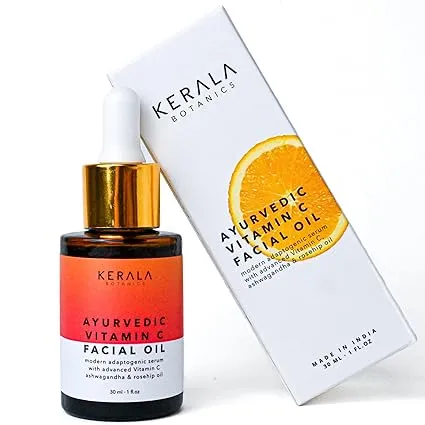
Ayurvedic Vitamin C Face Oil
Kerala Botanics
$49
★★★★☆
FDA Position and Safety Concerns
The FDA hasn’t issued comprehensive guidance on cosmetic exosome products. Animal-derived formulations that make regenerative claims often fall into a regulatory gray zone between cosmetics and biological drugs. Some companies have received warning letters for making medical claims without proper approval.
Plant-based exosomes face fewer regulatory hurdles since they’re typically classified as botanical extracts. But this doesn’t necessarily mean they’re safer — just that they’re less regulated.
Safety data for long-term topical use is limited for both types. While serious adverse reactions haven’t been widely reported, most products have only been on the market for a few years. The theoretical concern with any biological signaling molecule is unintended effects on cellular processes.
Products Worth Considering
If you’re curious about exosomes despite the limited evidence, these represent the more credible options:
SkinMedica Exosome Regenerative Complex
This animal-derived formulation comes from a company with legitimate research credentials. It’s expensive at $295, but the concentration and processing appear more standardized than many competitors. Clinical data is thin, but the formulation includes complementary ingredients like growth factors and peptides.
Exosome Regenerative Complex
SkinMedica
$295
★★★★☆
The texture is lightweight and absorbs quickly. Some users report improvements in skin texture and radiance after 6-8 weeks, though it’s hard to separate the exosomes’ effects from the other active ingredients.
CALECIM Professional Plant Exosome Renewal Serum
A plant-based option that avoids regulatory complications while delivering concentrated botanical exosomes. The $180 price point is still steep, but more reasonable than some alternatives. The company has invested in third-party testing and stability studies.
Plant Exosome Renewal Serum
CALECIM Professional
$180
★★★★☆
The serum has a silky texture that works well under moisturizer. Results, when they occur, seem to focus on overall skin quality rather than specific anti-aging effects.
Who Should Consider Exosomes
Exosome products might make sense if you’ve already optimized your routine with proven ingredients and want to experiment with cutting-edge formulations. They’re not a good starting point for anti-aging — establish a foundation with retinoids, vitamin C, and consistent sun protection first.
People with sensitive skin might prefer plant-derived options, though even these can cause irritation in some cases. Anyone with a history of allergic reactions should approach animal-derived formulations cautiously.
The most compelling candidates are those dealing with compromised skin barriers or slow wound healing, where the cellular communication aspect might offer genuine benefits. But even then, proven treatments like ceramides and niacinamide should be considered first.
Red Flags to Watch For
Avoid products that make dramatic regenerative claims without clinical backing. Terms like “stem cell activation” or “genetic reprogramming” are marketing speak, not scientific descriptions.
Be skeptical of companies that won’t disclose their exosome source or concentration. Legitimate manufacturers should provide at least basic information about derivation and processing methods.
Watch out for brands pushing exosomes as a replacement for proven ingredients rather than a complement to them. The best anti-aging routines still rely on retinoids, vitamin C, and sun protection as core components.
The Bottom Line
Exosomes represent an interesting direction for skincare, but the current products are expensive experiments rather than proven treatments. The science behind cellular communication is sound, but the translation to topical cosmetics is still being worked out.
If you’re determined to try exosomes, plant-derived formulations offer a lower-risk entry point. But most people will see better results investing that money in higher concentrations of proven ingredients or professional treatments with established track records.
The exosome category will likely evolve rapidly over the next few years as research catches up to marketing. For now, approach with cautious optimism and realistic expectations. Your skin’s cellular communication system is complex — fixing it might require more than a $200 serum.