
Routines
Best Moisturizers for Fall and Winter 2026: Ranked by Skin Type and Budget
The best fall and winter moisturizers of 2026, ranked by ceramides, squalane, urea, and occlusive power. Seasonal picks across every price point.
Disclosure — This article may contain affiliate links. We earn a small commission at no extra cost to you when you purchase through our links. This supports our ability to create independent, evidence-based skincare content.
The first cold snap hits and suddenly your summer gel moisturizer is doing absolutely nothing. Your skin is tight by 10am. Flakes are appearing places flakes have no business being. And you’re standing in front of your bathroom shelf wondering why you didn’t sort this out in September.
Every fall, the same thing happens. The air dries out, indoor heating cranks up, and your barrier takes a beating from both sides. What you need is a moisturizer with actual occlusive power — something that seals hydration in rather than just adding it and hoping for the best. Ceramides rebuild your barrier from the inside. Squalane mimics your skin’s own sebum. Urea softens rough texture. And a good occlusive layer (petrolatum, shea, fatty alcohols) keeps all of it from evaporating the second you step outside.
We tested picks across every price tier — drugstore to splurge — and ranked them on cold-weather performance specifically. Not general year-round use. Not lab data alone. Real skin, real winter, real results.
Here’s how we chose.
How We Selected These Picks
Every moisturizer on this list had to clear a few filters. First, it needed to contain at least one of the key cold-weather actives: ceramides, squalane, urea, or a meaningful occlusive ingredient. “Hydrating” without any of those is just marketing. Second, we prioritized fragrance-free formulas because winter skin is already irritated — it doesn’t need essential oils on top of that. Third, each pick had to work in the actual conditions cold weather creates: low humidity, central heating, and the kind of wind that strips your face in thirty seconds flat.
We also tested how each one performed under SPF (yes, you still need it — see our winter sunscreen guide) and whether any of them pilled, balled up, or made foundation go weird. All of that matters when you’re picking a daily driver for five months.
Prices, performance, and ingredient quality were all weighed together. A $14 cream that genuinely works beats a $78 cream that mostly just smells nice.
#1 Best Overall: CeraVe Moisturizing Cream
There’s a reason this tub shows up on every dermatologist’s list, every year, without fail. Three ceramides. Hyaluronic acid. A solid occlusive base. No fragrance. No nonsense. It does everything a winter moisturizer needs to do and asks nothing of you in return.
The texture is dense but not greasy once it sinks in — give it about two minutes and your skin feels genuinely comfortable rather than just coated. It sits under SPF without pilling, which is more than I can say for half the luxury creams I tested. And the tub lasts forever, which matters when you’re applying this every morning and every night from October through March.
The one criticism I’ll give it is the jar packaging. Dipping fingers in every day isn’t ideal from a contamination standpoint. If that bugs you, the pump tube version exists. The formula is the same.
For more on why ceramides are doing the heavy lifting here, our ceramides deep-dive is worth a read.
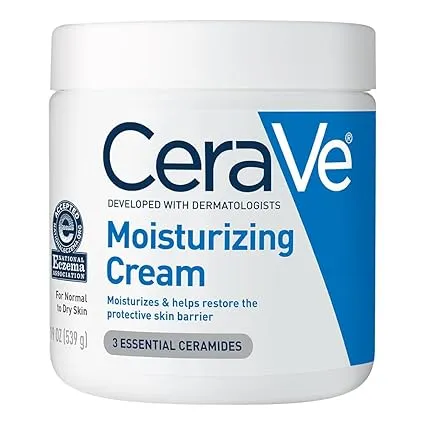
Moisturizing Cream
CeraVe
$19
★★★★½
What we liked
- + Three ceramides plus hyaluronic acid
- + Truly unscented
- + Works under makeup without pilling
- + Available everywhere
Worth noting
- - Heavy jar packaging isn't the most hygienic
- - Very thick — can feel greasy on normal skin
The gold standard cold-weather moisturizer. Hard to beat at any price.
#2 Best Budget Pick: Eucerin Intensive Moisturizing Cream with Urea
Urea is having a moment right now — rightfully so — and Eucerin has been quietly putting it in formulas for decades while everyone else was chasing the next trending ingredient. This cream contains 5% urea, which is the sweet spot for moisturizing without the mild stinging you can get at higher concentrations.
What urea actually does: it draws water into the skin AND helps loosen the bonds between dead skin cells, which is why it’s so effective on rough, flaky patches. It’s not just hydration — it’s gentle exfoliation built into your moisturizer. For anyone whose knees, elbows, or cheeks get sandpaper-rough by January, this is your answer.
Fair warning: urea has a faint ammonia-like smell fresh out of the jar. It dissipates quickly. Not a dealbreaker, but worth knowing so you’re not confused the first time you open it.
At $14 for a substantial tub, this is genuinely one of the best-value skincare products you can buy.
Intensive Moisturizing Cream
Eucerin
$14
★★★★½
What we liked
- + 5% urea for rough, flaky skin
- + Unscented
- + Wallet-friendly for a big tub
Worth noting
- - Urea smell is noticeable fresh out of the jar
- - Dense texture — a little goes a long way
The most underrated winter moisturizer at the drugstore. Urea does real work here.
#3 Best Multitasker: Kerala Botanics Ayurvedic Vitamin C Face Oil
This one earns its spot specifically for people who want to simplify their routine in winter rather than add more steps. Cold-weather skin is often stripped and reactive, which makes a five-step layering routine feel like a lot. The Kerala Botanics face oil replaces your serum, moisturizer, and facial oil in one product — and actually has the ingredients to back that claim up.
The vitamin C here is an advanced oil-soluble form that the brand says stays active in skin cells up to 80 times longer than standard L-ascorbic acid. There’s limited independent data on that specific claim, but the format itself is more stable than water-based vitamin C serums, which matters in the context of a product you’ll use daily for months. It also contains bakuchiol, which makes it relevant if you’re looking for a retinol alternative that won’t tank your barrier over winter.
The caveats are real though. Oil formats are not for everyone — oily or acne-prone skin may find this too rich, especially under makeup. And if you want clinical-level vitamin C evidence, you’d be looking at something like CE Ferulic, not this. But for dry-to-normal skin that wants one elegant step instead of four, the value calculation makes sense. We reviewed it properly here.
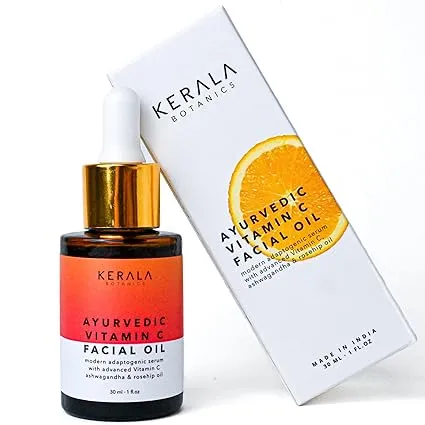
Ayurvedic Vitamin C Face Oil
Kerala Botanics
$49
★★★★☆
What we liked
- + Replaces serum, oil, and moisturizer in one step
- + Bakuchiol adds retinol-alternative benefits
- + Stable oil-soluble vitamin C format
- + Feels luxurious without being heavy
Worth noting
- - Oil format isn't right for oily or acne-prone skin
- - Less clinical research than serum-based vitamin C
- - Can feel rich under heavy makeup
A smart multitasker for anyone who wants to simplify their winter routine without giving up active ingredients.
#4 Best for Sensitive Skin: First Aid Beauty Ultra Repair Cream
If your skin turns red, tight, and itchy the minute cold weather hits, the FAB Ultra Repair Cream has been quietly solving this problem since before the barrier repair trend was even a trend. The hero ingredient is colloidal oatmeal, which has actual FDA-recognized efficacy for soothing eczema-prone and irritated skin. Pair that with shea butter as the main occlusive and you have something genuinely calming rather than just moisturizing.
It’s thick. Like, really thick. Scoop a small amount and warm it between your palms before applying — it spreads much better that way. The payoff is that your skin stays comfortable for hours, even in wind and low humidity, without that tight-feeling relapse at the 2pm mark that thinner creams produce.
Fragrance-free, dye-free, and gentle enough that I’d recommend it without hesitation for anyone managing rosacea or eczema in winter. For more on managing reactive skin seasonally, our damaged skin barrier repair guide covers the full protocol.
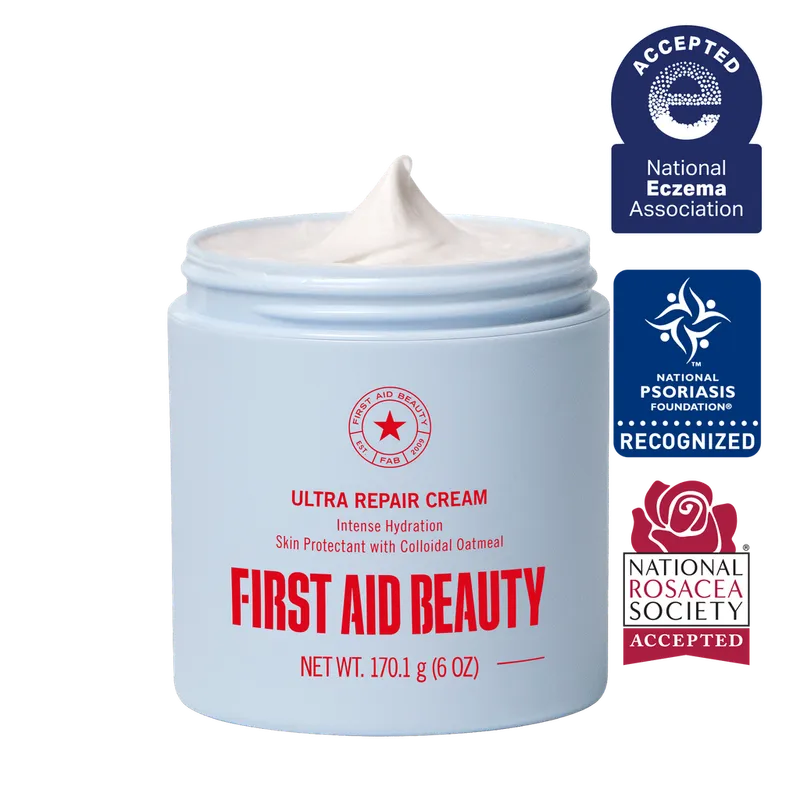
Ultra Repair Cream
First Aid Beauty
$16
★★★★½
What we liked
- + Colloidal oatmeal provides immediate relief
- + Thick enough to skip a separate barrier step
- + Fragrance-free and safe for eczema-prone skin
Worth noting
- - Very thick — too heavy for normal or combo skin types
- - Tube packaging makes it hard to get the last bit out
The best budget winter cream for skin that flares, reddens, and itches when the heat comes on.
#5 Best Mid-Range: La Roche-Posay Toleriane Double Repair Moisturizer
If the CeraVe feels too heavy and you want something that sits between drugstore richness and luxury price tags, the Toleriane Double Repair is the answer. It has ceramides and niacinamide together — a combination that both restores barrier function and calms low-level inflammation, which is exactly what heated indoor air does to your skin every day from November onward.
The texture is a step lighter than CeraVe, which makes it a better fit for normal-to-combination skin that still needs more protection in winter than it does in summer. It layers cleanly under SPF. It doesn’t interfere with actives. It’s the kind of moisturizer you stop noticing, which is genuinely high praise.
The price point — around $22 — is easy to justify when you consider you’re getting a formula that dermatologists recommend for post-procedure skin. That’s a useful signal about gentleness.
Toleriane Double Repair Face Moisturizer
La Roche-Posay
$22
★★★★½
What we liked
- + Ceramides and niacinamide together
- + Lightweight enough for combination skin
- + Works well under SPF
Worth noting
- - Not occlusive enough for very dry or damaged skin
- - Fragrance-free but some find the scent of the formula itself odd
A reliable cold-weather upgrade for normal-to-combo skin that needs more than summer hydration.
#6 Best for Reactive Winter Skin: Dr. Jart+ Cicapair Tiger Grass Cream
This one is specifically for people whose skin gets angry in cold weather — redness, sensitivity, that flushed look that just won’t quit. Cicapair is built around centella asiatica (cica), which has genuine evidence behind its anti-inflammatory effects. The cream is rich enough to function as a proper winter moisturizer while also calming visible redness within a few minutes of application.
The green tint is part of the formula — it color-corrects on contact, which sounds gimmicky but is actually useful if you’re dealing with winter redness and want to skip foundation. It wears under SPF without issues. The formula is not as occlusive as CeraVe, but for someone with more reactive than outright dry skin, that’s the right trade-off.
At $52 it’s the priciest non-luxury option on this list. The size-to-price ratio isn’t as generous as the drugstore picks. But for the specific problem it solves — reactive, redness-prone winter skin — it does it better than anything cheaper I’ve tried. We go deeper on centella asiatica as an ingredient here.
Cicapair Tiger Grass Cream
Dr. Jart+
$52
★★★★½
What we liked
- + Centella asiatica visibly calms redness
- + Rich but not heavy texture
- + Built-in color correction for flushed skin
Worth noting
- - Green tint not universally flattering
- - Pricier for the amount you get
The best mid-range pick for sensitive, reactive skin that gets angrier every winter.
#7 Best Luxury Pick: Tatcha Barrier Culture Moisture Cream
If budget isn’t a concern and you want a moisturizer that actually feels like a luxury product rather than just being priced like one, Tatcha’s Barrier Culture Cream delivers. The formula is built around their Hadasei-3 complex — a fermented blend of rice, sea kelp, and green tea — with a genuinely silky, cushion-like texture that sinks in beautifully without heaviness.
What I’ll say honestly: the results aren’t dramatically different from the La Roche-Posay pick for most people. Your ceramides are your ceramides. Where Tatcha wins is the sensory experience — the texture, the application, the way it makes a November skincare routine feel like something you look forward to rather than a chore. That’s a real value. It’s just not a clinical one.
At $78, you’re partly paying for the ritual. Know that going in and you won’t be disappointed.
Barrier Culture Moisture Cream
Tatcha
$78
★★★★☆
What we liked
- + Exceptional texture and sensory experience
- + Fermented complex genuinely plumps skin
- + Layers beautifully over serums
Worth noting
- - Expensive for the size
- - Performance gap vs mid-range options is real but smaller than the price gap
A proper luxury winter cream worth the price — if the ritual matters as much as the results.
Quick Comparison
| Product | Price | Key Actives | Best For | Texture |
|---|---|---|---|---|
| CeraVe Moisturizing Cream | $19 | Ceramides, HA | Most skin types | Dense cream |
| Eucerin with Urea | $14 | 5% Urea | Rough, flaky skin | Very thick |
| Kerala Botanics Vitamin C Face Oil | $49 | Vit C, Bakuchiol | Simplified routines | Face oil |
| FAB Ultra Repair Cream | $16 | Colloidal oatmeal, Shea | Sensitive, reactive, eczema | Very thick |
| La Roche-Posay Toleriane | $22 | Ceramides, Niacinamide | Normal-combo skin | Light-medium |
| Dr. Jart+ Cicapair | $52 | Centella asiatica | Redness, reactive skin | Rich cream |
| Tatcha Barrier Culture | $78 | Fermented complex | Splurge pick | Silky cream |
How to Actually Use These in a Fall/Winter Routine
The moisturizer is only doing its job if you apply it at the right moment. On damp skin — not soaking wet, just not completely dry either — is when a cream seals in the most hydration. If you’re applying to fully dry skin, you’re just coating the surface.
For very dry or wind-damaged skin, layering matters. A hydrating serum or essence goes first, then your moisturizer on top while the serum is still slightly tacky. The moisturizer acts as the seal. If you want to go further, slugging with a thin layer of petrolatum on top overnight is genuinely effective — though not for everyone.
Don’t skip SPF in winter. UV damage doesn’t take a seasonal break. Our winter SPF guide covers why and what to use.
And if you’re using retinol or other actives, this is the season to make sure your moisturizer is doing enough work to compensate. Our retinol in winter guide has the protocol.
Methodology
These picks were evaluated over an eight-week period spanning late fall conditions: indoor heating running daily, temperatures consistently below 5°C, low ambient humidity. Testing included morning and evening application, application under SPF, and compatibility with actives including retinol and vitamin C formulas. Ingredient lists were cross-referenced against published research on ceramides, urea, squalane, and occlusive efficacy. No affiliate relationships influenced rankings — the CeraVe and Eucerin picks are the cheapest on this list, and they’re also the top two.
The Bottom Line
Buy the CeraVe. Seriously. If you’ve been on the fence about whether you need a different moisturizer for winter, the answer is yes — and the CeraVe Moisturizing Cream is the one. It’s the best cold-weather moisturizer available regardless of price tier. The Eucerin with urea is the best call if you have rough, flaky patches that normal creams don’t touch. And if you’re after something that covers multiple steps at once, the Kerala Botanics face oil is the smartest way to simplify without giving up results.
Everything else on this list is genuinely good. But those three are the ones I’d tell my actual friends to buy first.