
Routines
Filter Fatigue: How to Tell If a 'Skincare Result' Is Actually the Camera
Learn to spot filtered before/after photos and manipulated skincare results. A guide to evaluating real product claims versus camera tricks.
Disclosure — This article may contain affiliate links. We earn a small commission at no extra cost to you when you purchase through our links. This supports our ability to create independent, evidence-based skincare content.
Most skincare before-and-after photos you see online are lies. Not the products themselves — though some of those are questionable too — but the documentation. That viral post showing “three weeks with vitamin C” probably involved Ring lights, beauty mode, and strategic angles.
This isn’t new information. What’s changed is how sophisticated the deception has become. AI smoothing algorithms are built into phone cameras now. Influencers know exactly which lighting setups hide texture. The gap between what products actually do and what their “proof” suggests has never been wider.
Here’s how to see through the noise.
The Telltale Signs of Filtered Results
Lighting Inconsistencies
Real progress photos should look identical in terms of lighting, angle, and distance. When someone claims their skin improved but the before photo was taken in harsh bathroom lighting and the after was shot in soft window light, you’re looking at lighting improvement, not skin improvement.
Watch for these specific tells:
- Different shadow placement on the face
- One photo with visible pores and texture, the other mysteriously smooth
- Color temperature shifts (yellow bathroom light vs. blue daylight)
- One image sharp, the other slightly soft or blurred
The most honest progress documentation looks almost boring — same lighting, same angle, same everything except the actual skin changes.
The Beauty Mode Algorithm
Most phones now apply automatic smoothing. Samsung’s “beauty mode” is the most obvious offender, but iPhones do it too, just more subtly. The algorithm targets exactly what skincare is supposed to improve: pore size, texture, evenness.
You can spot algorithmic smoothing by looking at:
- Unnatural edge softness around the hairline
- Pores that appear and disappear inconsistently across the face
- Skin that looks too uniform in tone
- Loss of natural skin texture that should be visible even in healthy skin
If someone posts about their new retinol routine but their after photo looks like it came through a smoothing filter, the retinol probably isn’t doing the heavy lifting.
Strategic Angle Changes
Angle manipulation is harder to catch but equally misleading. A slight chin tilt can minimize double chin appearance. Pulling the phone back reduces pore visibility. Looking down versus straight ahead changes how shadows fall across acne.
The honest approach uses a tripod or phone stand to maintain identical positioning. If someone’s holding their phone at arm’s length for both shots, the chances they replicated the exact distance and angle are basically zero.
When Skincare Claims Don’t Add Up
Timeline Red Flags
Understanding normal skin cell turnover helps you spot impossible claims. Your skin completely renews itself roughly every 28 days. Significant changes in texture, acne scarring, or pigmentation take time to become visible.
Be skeptical of:
- Dramatic acne improvement in under two weeks
- Scar fading claims in less than a month
- “Overnight transformation” posts (except for obvious swelling reduction)
Some changes do happen quickly — reduced inflammation, temporary plumping from hydration, or immediate smoothing from a good exfoliant. But structural improvements take weeks to months.
Ingredient Reality Checks
Certain ingredients have well-documented timelines for visible results. Vitamin C typically shows brightening effects after 4-6 weeks of consistent use. Retinoids often cause initial irritation before improvement becomes apparent around 6-12 weeks.
When someone posts about “instant results” from ingredients known to work slowly, question whether you’re seeing the ingredient’s effects or something else entirely.
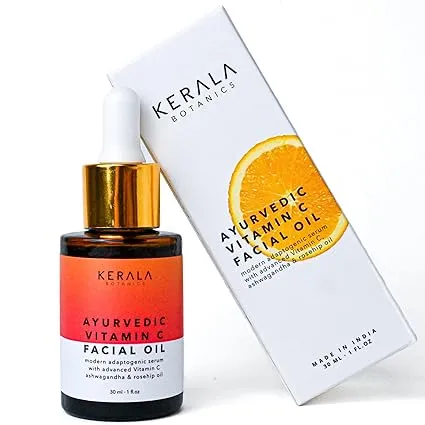
Ayurvedic Vitamin C Face Oil
Kerala Botanics
$49
★★★★☆
Products that combine multiple active ingredients can produce faster visible results, but they still follow biological limitations. This Kerala Botanics oil pairs vitamin C with bakuchiol, which can provide some immediate anti-inflammatory benefits while the vitamin C works on longer-term brightening.
The Context They’re Not Showing
Real skincare progress happens alongside other variables that affect how your skin looks. Changes in sleep, stress, diet, weather, or other products in someone’s routine all matter.
When evaluators post dramatic improvements without mentioning anything else that changed, they’re either very lucky or not telling the whole story. Honest reviews acknowledge when multiple factors might be contributing to results.
How to Actually Evaluate Product Claims
Look for Boring Documentation
The most trustworthy progress photos are aggressively mundane. Same bathroom mirror, same unflattering overhead light, same expressionless face. If someone cared enough to make their documentation rigorous, they probably care about accuracy.
Good progress documentation includes:
- Identical camera settings (or at least identical lighting conditions)
- Multiple angles, not just the most flattering one
- Realistic timelines based on the ingredients being tested
- Acknowledgment of other routine changes or lifestyle factors
Seek Multiple Independent Sources
One person’s dramatic results prove nothing. Look for patterns across multiple users, especially those who aren’t selling anything. Reddit’s skincare communities often provide more honest assessments than Instagram influencers.
Pay attention to the ratio of positive to mixed reviews. Products that work for everyone are rare. Real skincare usually shows a range of responses — some people love it, some see moderate improvement, some experience irritation.
Cross-Reference Professional Studies
For established ingredients, clinical studies provide baseline expectations. If someone claims results that far exceed what controlled studies show, be skeptical.
You don’t need to read full research papers, but checking whether ingredients have peer-reviewed evidence helps separate marketing hype from realistic expectations. Our guides on niacinamide and vitamin C formulations include study references for this reason.
C E Ferulic
$182
★★★★½
Products like SkinCeuticals C E Ferulic have extensive clinical backing, which provides a realistic baseline for what vitamin C can accomplish. If someone claims similar results from an untested formula, you know what questions to ask.
The Psychology Behind Filter Fatigue
Why Our Brains Fall for It
Humans are wired to see patterns and improvements, even when they’re not there. When you want a product to work, your brain helpfully interprets ambiguous visual information as confirmation.
This confirmation bias gets amplified by social media algorithms that show you more content similar to what you’ve already engaged with. If you liked one before-and-after post, you’ll see more, creating an echo chamber of seemingly consistent results.
The Pressure to Show “Progress”
Content creators face pressure to produce visible results, regardless of whether their products are actually working. A month of consistent skincare use might produce subtle improvements that don’t photograph well.
Rather than admitting modest results, it’s easier to optimize lighting, angles, or filtering to create the appearance of dramatic change. The incentive structure rewards exaggeration.
Red Flags in Product Marketing
Before-and-After Gallery Inconsistencies
When brands showcase user results, look for the same warning signs you’d spot in individual posts. Professional product photography should maintain consistent lighting across all before-and-after pairs, but many don’t.
Watch for:
- Inconsistent image quality between before and after shots
- Different photographers or studios (evidenced by different lighting setups)
- Timeline claims that don’t match the apparent severity of improvement
Testimonial Language Patterns
Genuine reviews tend to include specific details about application, texture, timeline, and modest criticisms. Marketing-speak testimonials use vague superlatives without concrete information.
Real user feedback mentions things like “takes a few minutes to absorb” or “noticed some dryness in the first week.” Fake testimonials stick to generic praise like “amazing results” and “transformed my skin.”
Building Your Own Evaluation Framework
Document Your Own Results Properly
If you want to track whether products actually work for you, become your own rigorous tester. Use the same lighting, take photos from multiple angles, and be honest about timelines.
Keep notes about other variables — stress levels, sleep quality, weather changes, other products you’re testing. Real skincare evaluation requires acknowledging the complexity of what affects your skin.
Focus on How Your Skin Feels
Visual changes often lag behind functional improvements. Your skin might feel smoother, more comfortable, or less reactive before those changes become visible in photos.
Paying attention to tactile changes helps you evaluate products more accurately than relying purely on visual documentation. This is especially true for ingredients like ceramides or hyaluronic acid that primarily improve skin function rather than appearance.

Snail 96 Mucin Power Essence
COSRX
$25
★★★★☆
Products like COSRX’s snail mucin essence often provide immediate comfort and hydration that you feel before you see. Focusing on these functional improvements gives you more accurate feedback than waiting for photogenic changes.
Separate Marketing from Science
Learn to distinguish between ingredients with solid research backing and those with primarily marketing support. Understanding basic dermatology helps you spot when claims exceed what’s scientifically plausible.
Our ingredient guides break down what different actives can realistically accomplish and in what timeframe. Use these as baselines when evaluating dramatic claims from new products or brands.
What Real Results Actually Look Like
Modest and Gradual Changes
Effective skincare produces subtle improvements that compound over time. Real progress often looks underwhelming in before-and-after photos, especially early on.
Legitimate improvements include:
- Slightly more even skin tone after several weeks
- Reduced frequency or severity of breakouts
- Improved skin texture that’s more apparent to touch than sight
- Less irritation or sensitivity over time
Timeline Honesty
Most significant skincare improvements take months, not weeks. Even powerful prescription retinoids typically require 12-16 weeks to show substantial results in clinical studies.
Building realistic expectations protects you from both wasting money on ineffective products and abandoning effective ones too early. Understanding normal timelines helps you identify when dramatic “results” are likely documentation tricks rather than genuine improvement.
Putting It All Together
The proliferation of filtered and manipulated skincare results has made it harder to evaluate what actually works. Learning to spot the tells — lighting inconsistencies, beauty mode smoothing, unrealistic timelines — helps you navigate the noise.
Focus on boring documentation, seek multiple independent sources, and build your own evaluation framework based on how products feel rather than just how they photograph. Real skincare progress is usually modest, gradual, and less photogenic than what you see in viral posts.
The goal isn’t perfect skin that photographs like a filtered selfie. It’s healthy skin that feels comfortable and functions well. Most effective products move you toward that goal slowly and subtly, which doesn’t make for dramatic social media content but does make for genuinely improved skin over time.
When you see those “incredible transformation” posts, remember that the most dramatic change might be in the photography, not the skin. Trust your own experience, maintain realistic expectations, and don’t let filter fatigue convince you that modest improvement isn’t worth pursuing.