
Routines
Dark Circles: Four Causes, Four Different Fixes
Not all dark circles are the same. Learn to identify your type — vascular, pigmentary, structural, or shadow — and treat it correctly.
Disclosure — This article may contain affiliate links. We earn a small commission at no extra cost to you when you purchase through our links. This supports our ability to create independent, evidence-based skincare content.
I have spent an embarrassing amount of money on eye creams that did absolutely nothing. And I mean nothing. Not because they were bad products — some of them were genuinely great. The problem was that I was treating the wrong thing.
Dark circles are not one condition. They’re four. And if you’re using a caffeine eye cream on pigmentation, or a brightening serum on a structural shadow, you’re going to be disappointed every single time. The fix doesn’t match the cause, so nothing shifts.
This guide is about figuring out which type you have, then pointing you toward what actually works. It pairs with our eye cream roundup if you want specific product picks after you’ve done the diagnostic.
The Self-Check: Two Minutes That Will Save You Years of Wasted Products
Before anything else, do this test. Find decent lighting — natural is best — and a mirror.
Step one: the stretch test. Gently pull the skin under your eye taut with one finger. If the darkness moves with the skin and gets lighter, it’s likely vascular (blood vessels showing through thin skin). If the color stays put regardless of how much you pull, it’s probably pigmentation. If it mostly disappears when stretched, structural or shadow is likely at play.
Step two: the light angle test. Look up at a light source. If the darkness shifts or lightens dramatically when the light hits from above, you’re dealing with a shadow caused by the tear trough — a hollow between your lower lid and cheek. That’s structural.
Step three: color check. Bluish-purple: vascular. Brown, tan, or gray-brown: pigmentary. A grayish crescent that deepens in certain lighting: structural shadow. Red-purple with visible vessels in very fair skin: also vascular, just more obvious.
Most people have a dominant type, with a secondary one layered on top. Knowing the primary is where to start.
Type 1: Vascular Dark Circles
These look blue, purple, or reddish-purple. They’re most obvious when you’re tired, cold, or haven’t slept. Genetics plays a huge role — if you have thin skin under your eyes, blood vessels sit close to the surface and show through.
Sleep deprivation makes them worse because blood pools in dilated capillaries. Alcohol does the same thing. Allergies cause rubbing, which breaks tiny vessels and adds puffiness on top.
What actually helps
Caffeine is genuinely useful here. It constricts blood vessels temporarily, which reduces the blue-purple appearance and puffiness at the same time. The effect isn’t permanent — you’re essentially pressing pause for several hours — but it’s real and you’ll notice it consistently if you use it every morning.
Cold works the same way. A chilled eye cream, a cold spoon from the freezer, or even splashing cold water on your face first thing gets the vessels to constrict fast. It’s not a treatment, but it buys you time.
Peptides that target capillary fragility — specifically Haloxyl and Eyeliss — have some clinical backing for reducing hemoglobin breakdown products that stain the tissue over time. They’re slower to show results but more durable than caffeine.
Iron-deficiency anemia can show up here too. If your circles are dramatic and recent and you’re also feeling exhausted all the time, it’s worth a blood test before you spend money on eye cream.
The INKEY List Caffeine Eye Cream is an easy starting point. Affordable, straightforward formula, and it works exactly the way caffeine eye creams are supposed to work.
The INKEY List Caffeine Eye Cream
The INKEY List
$12
★★★★☆
If you want to invest more, SkinCeuticals AOX Eye Gel brings antioxidants into the picture alongside caffeine, which helps with the oxidative stress contributing to vessel damage over time.
SkinCeuticals AOX Eye Gel
SkinCeuticals
$110
★★★★½
Type 2: Pigmentary Dark Circles
These are brown, tan, or grayish-brown. They don’t move when you stretch the skin. They’re caused by actual melanin deposits in the skin — either from genetics (very common in South Asian, Middle Eastern, East Asian, and African skin tones), from chronic rubbing, from sun exposure, or from post-inflammatory hyperpigmentation after eczema or allergies.
This type is the one where brightening ingredients can genuinely make a visible difference. But it takes patience. We’re talking months, not weeks.
What actually helps
Vitamin C is the most established brightening ingredient for the eye area. It interrupts melanin production at the tyrosinase stage and adds antioxidant protection against further UV-triggered darkening. The catch is that the standard L-ascorbic acid form can be irritating and unstable around the delicate eye area. Look for stabilized derivatives, or consider formats that are gentler by nature.
One option worth noting for this type: Kerala Botanics Ayurvedic Vitamin C Face Oil uses a more stable, oil-soluble form of vitamin C that stays in skin cells significantly longer than standard serums. Because it’s oil-based, it’s also gentler around the eye area than water-based ascorbic acid. A small amount patted onto the orbital bone — not right on the lash line — can work well here. It also contains bakuchiol, which functions as a retinol alternative (more on why that matters in a minute). It’s not a dedicated eye product, and it will feel richer than a typical eye serum, but for dry-skin types dealing with pigmentary circles, it’s a clever option. Not ideal if you have oily skin or run warm at night.
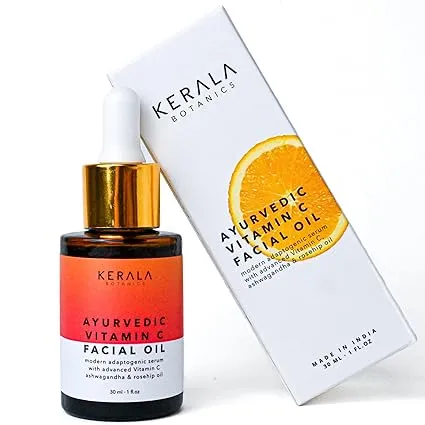
Ayurvedic Vitamin C Face Oil
Kerala Botanics
$49
★★★★☆
Alpha arbutin and kojic acid are also solid choices. Both inhibit tyrosinase without the irritation risk. Our alpha arbutin guide has a full breakdown of how they compare. For very stubborn pigmentation, tranexamic acid has been getting attention from dermatologists and it deserves it.
Low-concentration retinoids used carefully on the orbital area can accelerate cell turnover and fade existing pigment. The eye area skin is thin and sensitive, so if you’re starting out, bakuchiol is a more forgiving entry point. Our bakuchiol vs retinol comparison covers the evidence in detail.
Sunscreen every single day. I know you’ve heard this. But pigmentary dark circles are among the most responsive skin concerns to UV exposure, and without SPF they will not improve no matter what else you put on. This isn’t optional.
Sunday Riley Good Genes — applied carefully just to the orbital bone, not the eyelid — is a lactic acid treatment that brightens through gentle exfoliation and has a visible effect on surface-level discoloration within a few weeks.
Good Genes All-In-One Lactic Acid Treatment
Sunday Riley
$85
★★★★☆
Type 3: Structural Dark Circles
This is where so many eye cream purchases go to die. Structural darkness happens when the fat pads under your eyes lose volume — either with age, or just because of how your face is built — and the resulting hollow casts a shadow. The skin isn’t pigmented. The vessels aren’t dilated. There’s literally a groove in the face that light falls into.
No topical product will fix this. Full stop.
I’m not saying this to be bleak. I’m saying it so you stop spending money on serums that have never had a chance.
What actually helps
Dermal filler is the most effective intervention for tear trough hollows. Hyaluronic acid filler placed carefully by an experienced injector can reduce or eliminate the shadow entirely. Results typically last 12-18 months. It’s not cheap, and it’s not without risk — the tear trough is a technically demanding area and injector skill matters enormously. But it’s the one approach that actually addresses the structural cause.
Topical options in this category are about managing expectations. A rich, hydrating eye cream won’t fill a hollow, but it will plump the skin surface slightly and reduce the appearance of crepiness that can make structural shadows look worse. Anything with peptides, ceramides, or hyaluronic acid is doing this job — moisturizing, not fixing.
Facial massage and gua sha around the orbital bone can temporarily improve lymphatic drainage and reduce puffiness, which makes structural hollows look a little less pronounced. Not a treatment. A management tool.
Sleep position matters more than most people realize. Sleeping face-down pushes fluid into the tear trough area, and over years it can worsen the hollow. Back sleeping helps.
Kiehl’s Creamy Eye Treatment is a longtime staple for good reason — it’s deeply nourishing for the surface skin around the hollow without being heavy enough to cause milia. It won’t touch the structural issue, but it keeps the skin looking its best around it.
Kiehl's Creamy Eye Treatment with Avocado
Kiehl's
$32
★★★★☆
Type 4: Shadow-Based Darkness (Skin Laxity and Fat Prolapse)
This is related to structural but slightly different. Instead of a hollow casting a shadow, you have a slight bulge — the lower eye fat pad has shifted forward — and the raised area creates a shadow at the bottom of the bulge. It’s the opposite of a hollow in terms of cause, but it looks similar in photos.
You can tell the difference by pressing gently on the lower lid. If it puffs out, you’re dealing with fat prolapse. If it sinks in, you have a hollow.
What actually helps
Retinoids, used consistently over a long time, can improve skin texture and mild laxity. They won’t redistribute fat. For the shadow itself, caffeine can temporarily reduce puffiness if there’s a vascular component layered on top. Reducing salt intake and sleeping with your head slightly elevated helps with morning puffiness that makes it worse.
For more significant fat prolapse, the surgical option is blepharoplasty — lower eyelid surgery that repositions or removes the herniated fat pad. It’s a real procedure with real recovery time, not something to take lightly, but it’s the definitive fix if the issue is significant.
Putting It All Together
Here’s the fast version:
| Type | What You See | What Helps | What Doesn’t |
|---|---|---|---|
| Vascular | Blue/purple, worse when tired | Caffeine, cold, peptides, sleep | Brightening ingredients |
| Pigmentary | Brown/tan, doesn’t move when stretched | Vitamin C, alpha arbutin, gentle retinoids, SPF | Caffeine, filler |
| Structural | Crescent shadow, deepens in certain light | Filler (the real fix), good moisturizer | Literally any serum |
| Shadow/Laxity | Puffiness with shadow underneath | Caffeine temporarily, retinoids long-term, sleep position | Brighteners, filler |
Most people have vascular plus one other type. Treat the dominant one first. If you’re dealing with pigmentary darkness, the brightening serum roundup has great options that can be used carefully around the eye area. If you suspect hyperpigmentation is driving yours, the hyperpigmentation treatment guide goes deeper on the ingredient science.
And honestly? Sometimes the honest answer is that no eye cream is going to make a meaningful difference for your specific situation. That’s not a failure. That’s just knowing what you’re working with. Understanding your type means you can stop chasing products that were never going to help — and actually put your money toward something that will.