
Ingredients
Antioxidants in Skincare: Beyond Vitamin C
The complete guide to layering vitamin E, ferulic acid, resveratrol, and polyphenols. Learn which antioxidant combinations actually work.
Disclosure — This article may contain affiliate links. We earn a small commission at no extra cost to you when you purchase through our links. This supports our ability to create independent, evidence-based skincare content.
Most people think antioxidants in skincare start and end with vitamin C. That’s like thinking fruits only come in orange. While L-ascorbic acid gets most of the spotlight, your skin actually benefits from a whole orchestra of antioxidants working together — vitamin E, ferulic acid, polyphenols, even niacinamide. The real magic happens when you understand which combinations amplify each other and which ones cancel out.
Here’s what we know from the research: single antioxidants are good, but strategic combinations are often better. Vitamin C becomes more stable and effective when paired with vitamin E. Ferulic acid extends the life of both. Polyphenols from green tea and resveratrol add layers of protection that no single ingredient can match.
The problem is most brands either stick to the vitamin C formula or throw every antioxidant into one product without understanding the science. This guide breaks down how different antioxidants actually work, which combinations have clinical backing, and how to layer them without turning your routine into a chemistry experiment.
How Antioxidants Actually Work in Skin
Antioxidants neutralize free radicals — unstable molecules that damage collagen, trigger inflammation, and accelerate aging. Think of free radicals as cellular vandals created by UV exposure, pollution, stress, even normal metabolism. They steal electrons from healthy skin cells, starting a chain reaction of damage.
Different antioxidants work through different mechanisms. Vitamin C donates electrons to neutralize free radicals directly. Vitamin E sits in cell membranes, protecting lipids from oxidation. Polyphenols like green tea catechins work both as direct scavengers and by boosting your skin’s own antioxidant enzyme systems.
The key insight is that antioxidants work better as a team. They can regenerate each other — vitamin C can restore oxidized vitamin E back to its active form. Some combinations create synergies that exceed what either ingredient does alone. Others compete for the same pathways or destabilize each other.
Most skincare antioxidant research focuses on prevention rather than reversal. They’re excellent at protecting against future damage, decent at brightening existing pigmentation, but not miracle workers for deep wrinkles or significant photoaging. Set expectations accordingly.
Vitamin E: The Membrane Protector
Alpha-tocopherol (vitamin E) rarely gets top billing, but it’s often the unsung hero in effective antioxidant formulas. Unlike water-soluble vitamin C, vitamin E is fat-soluble, meaning it integrates into cell membranes where it protects lipids from oxidative damage.
The vitamin C and E partnership has the most research backing. Studies show that combining 15% L-ascorbic acid with 1% alpha-tocopherol provides significantly better photoprotection than either ingredient alone. Vitamin C regenerates vitamin E after it neutralizes free radicals, creating a self-sustaining antioxidant system.
Most vitamin E in skincare comes as tocopheryl acetate — a stable ester that skin enzymes convert to active alpha-tocopherol. It’s less irritating than pure vitamin E but still effective. Look for it in the 0.5-2% range. Higher concentrations can feel heavy and may clog pores on oily skin.
The classic example remains SkinCeuticals CE Ferulic, which combines 15% vitamin C, 1% vitamin E, and 0.5% ferulic acid. The formula has multiple clinical studies showing improved photoprotection and collagen synthesis compared to individual components.
CE Ferulic
SkinCeuticals
$182
★★★★½
Vitamin E also shows up in facial oils, where it serves double duty as an antioxidant and preservative. Many plant oils naturally contain tocopherols, but additional vitamin E prevents the oil itself from going rancid.
Ferulic Acid: The Stability Booster
Ferulic acid is the ingredient that makes other antioxidants better at their jobs. It’s a plant-derived phenolic compound that not only provides antioxidant activity on its own but significantly stabilizes vitamins C and E when combined with them.
Without ferulic acid, L-ascorbic acid degrades rapidly when exposed to light and air. Add 0.5% ferulic acid to the mix and stability extends dramatically. The same study that established the CE Ferulic formula found that ferulic acid doubled the stability of the vitamin C and E combination.
Ferulic acid also enhances the photoprotective benefits of the combination. When applied under sunscreen, the vitamin C + E + ferulic acid trio provided four times better protection against UVA-induced skin damage compared to sunscreen alone.
You’ll typically see ferulic acid in the 0.1-0.5% range. Higher concentrations don’t necessarily provide additional benefits and may increase irritation risk. It pairs well with most other antioxidants — not just vitamins C and E.
The catch is that ferulic acid can darken formulas over time, especially when combined with L-ascorbic acid. That brown tint doesn’t necessarily mean the product is inactive, but it does indicate some oxidation has occurred.
Polyphenols: The Plant Powerhouses
Polyphenols are where antioxidant skincare gets interesting beyond the basic vitamins. These plant compounds — think green tea catechins, resveratrol from grapes, and coffee berry extract — often provide more complex benefits than single-molecule antioxidants.
Green tea polyphenols (EGCG is the most studied) work through multiple pathways. They scavenge free radicals, inhibit inflammatory enzymes, and may even help repair DNA damage from UV exposure. Clinical studies show topical green tea can reduce signs of photoaging and provide some protection against skin cancer development.
Resveratrol, the compound that makes red wine seem healthy, shows promise in skincare for its anti-inflammatory and potential anti-aging effects. It may activate sirtuins — proteins involved in cellular longevity. The research is still early, but resveratrol appears to work well with other antioxidants rather than competing with them.
Coffee berry extract contains chlorogenic acids and caffeine that provide antioxidant benefits while potentially improving circulation. Some studies suggest it can boost collagen production, though the evidence is thinner than for vitamins C and E.
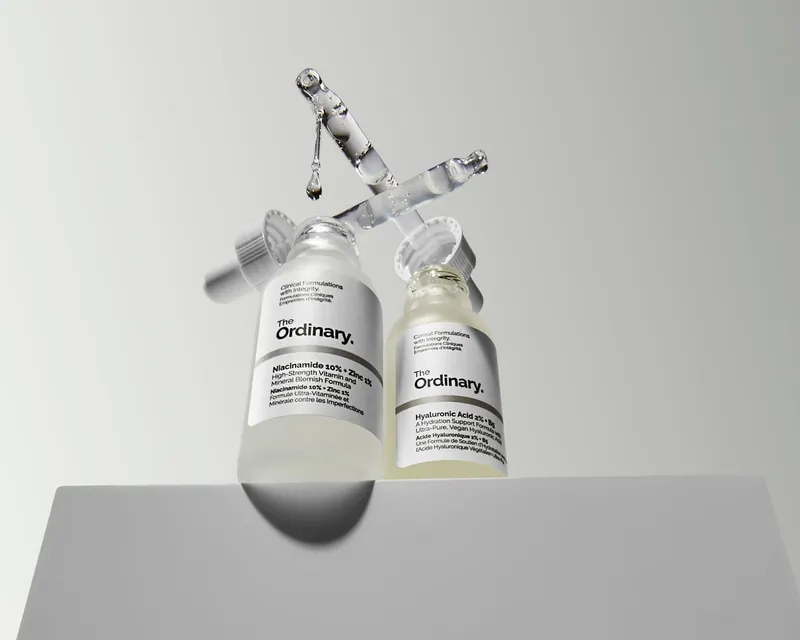
Resveratrol 3% + Ferulic Acid 3%
The Ordinary
$8
★★★★☆
The advantage of polyphenols is that they often provide additional benefits beyond antioxidant activity — anti-inflammatory effects, enzyme inhibition, even some antimicrobial properties. The downside is that effective concentrations vary widely, and many polyphenols are unstable or poorly absorbed through skin.
Niacinamide: The Multi-Mechanism Antioxidant
Niacinamide (vitamin B3) doesn’t always get categorized as an antioxidant, but it functions as one through several mechanisms. It boosts cellular energy production, which helps skin cells maintain their own antioxidant defense systems. It also directly scavenges some free radicals and reduces oxidative stress markers in skin.
The beauty of niacinamide is that it works well with virtually every other skincare ingredient. Unlike L-ascorbic acid, which requires low pH and can destabilize other actives, niacinamide plays nicely with retinoids, acids, peptides, and other antioxidants.
Studies consistently show that 2-5% niacinamide improves skin barrier function, reduces inflammation, regulates sebum production, and provides modest improvements in fine lines and hyperpigmentation. It’s one of the most versatile ingredients in skincare.
Higher concentrations (10%+) can provide stronger effects but may cause irritation or flushing in sensitive individuals. Most people do well with 5% or less, especially when combined with other actives.
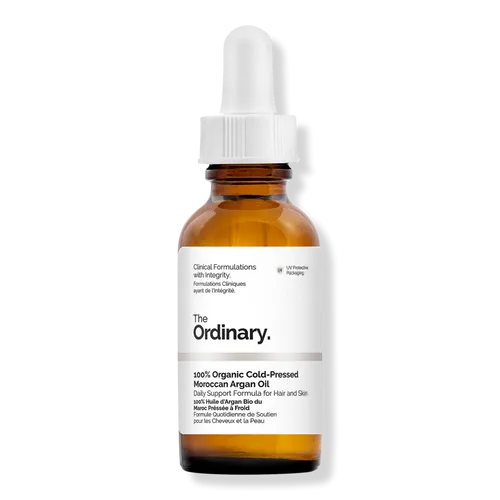
Niacinamide 10% + Zinc 1%
The Ordinary
$7
★★★★☆
The zinc addition in many niacinamide formulas provides additional anti-inflammatory benefits and may help with acne-prone skin. However, higher zinc concentrations can be drying, so monitor your skin’s response.
Antioxidant Stacking: What Actually Works
The goal of antioxidant stacking is to create complementary effects without causing irritation or ingredient interactions. Some combinations have clinical evidence supporting synergy. Others are theoretical at best.
Proven combinations:
- Vitamin C + Vitamin E + Ferulic Acid: The gold standard with multiple studies
- Vitamin C + Niacinamide: Despite old myths about incompatibility, they work fine together
- Green tea + Vitamin C: Polyphenols may help stabilize L-ascorbic acid
- Vitamin E + Polyphenols: Common in facial oils, generally well-tolerated
Questionable combinations:
- Multiple high-concentration actives in one routine
- L-ascorbic acid with benzoyl peroxide or retinoids (spacing recommended)
- Copper peptides with vitamin C (may cause oxidation)
The most practical approach is to choose one primary antioxidant (usually vitamin C) and support it with complementary ingredients rather than layering multiple high-concentration antioxidant serums.
Oil-Based vs Water-Based Antioxidant Delivery
Most antioxidant serums are water-based to accommodate L-ascorbic acid, but oil-based formulations offer some advantages. Fat-soluble antioxidants like vitamin E, polyphenols, and some forms of vitamin C penetrate better in oil vehicles.
Oil-based antioxidant products also tend to be more stable. Plant oils naturally contain antioxidants that protect the formula, and the absence of water eliminates many degradation pathways that affect aqueous serums.
The Kerala Botanics Ayurvedic Vitamin C Face Oil illustrates this approach. It uses a stable form of vitamin C that doesn’t require the low pH of L-ascorbic acid serums, combined with bakuchiol (a plant-based retinol alternative) and carrier oils rich in natural polyphenols.
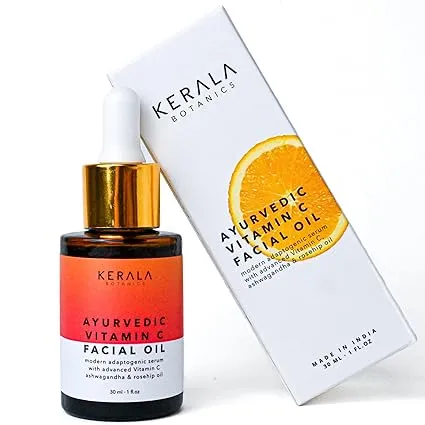
Ayurvedic Vitamin C Face Oil
Kerala Botanics
$49
★★★★☆
The advantage of oil-based antioxidant products is that they replace multiple routine steps — antioxidant serum, facial oil, and often moisturizer. The disadvantage is that they may feel too heavy for oily skin or under makeup for some people.
For more on choosing between serum and oil formats, see our vitamin C serum vs oil comparison.
Morning vs Evening: Timing Your Antioxidants
Conventional wisdom says antioxidants belong in morning routines for daytime protection, but the reality is more nuanced. Most antioxidants work best with consistent use rather than perfectly timed application.
Morning advantages:
- Protection against environmental stressors (UV, pollution)
- Can enhance sunscreen effectiveness
- Vitamin C provides immediate brightening effects
Evening advantages:
- No concerns about photostability or interaction with sunscreen
- Skin repair processes are more active at night
- Can combine with retinoids or acids if properly spaced
Some antioxidants, particularly polyphenols like resveratrol, may actually work better at night when cellular repair mechanisms are most active. Others, like vitamin C, provide both immediate protection and cumulative benefits regardless of timing.
The most important factor is consistency. Using antioxidants regularly at any time will provide better results than perfect timing with inconsistent application.
What to Expect: Realistic Timelines and Results
Antioxidants work gradually, and benefits compound over time. Unlike retinoids or acids, which can show visible changes within weeks, antioxidant benefits often take months to become apparent.
2-4 weeks: Improved skin brightness, better tolerance to environmental stressors
2-3 months: Reduction in hyperpigmentation, more even skin tone
6+ months: Prevention of new damage becomes apparent, cumulative anti-aging benefits
The most dramatic results come from prevention rather than reversal. Someone who starts using antioxidants at 25 will see different benefits than someone who begins at 45. Early intervention prevents damage that’s difficult to reverse later.
For existing concerns like dark spots or fine lines, antioxidants work best as part of a comprehensive routine that includes retinoids and consistent sun protection.
Building Your Antioxidant Strategy
Start with one well-formulated product rather than trying to layer multiple antioxidants immediately. The CE Ferulic combination or a stable vitamin C alternative provides a solid foundation.
Add complementary antioxidants gradually. Niacinamide pairs well with virtually everything and provides additional barrier and anti-inflammatory benefits. Polyphenol-rich products can enhance overall antioxidant capacity without increasing irritation risk.
Consider your routine complexity. If you’re already using retinoids, acids, and multiple targeted treatments, adding more antioxidants may be counterproductive. Sometimes a single multi-antioxidant product works better than multiple separate serums.
Monitor your skin’s response. More isn’t always better with antioxidants. Overloading your routine can lead to irritation, product pilling, or diminishing returns on investment.
The goal is creating sustainable protection that fits your lifestyle and skin needs. A simple, consistent antioxidant routine will outperform the most sophisticated regimen that you only follow occasionally.
Antioxidants represent some of the best preventive medicine in skincare, but they work best when chosen thoughtfully and used consistently over time.